Overview
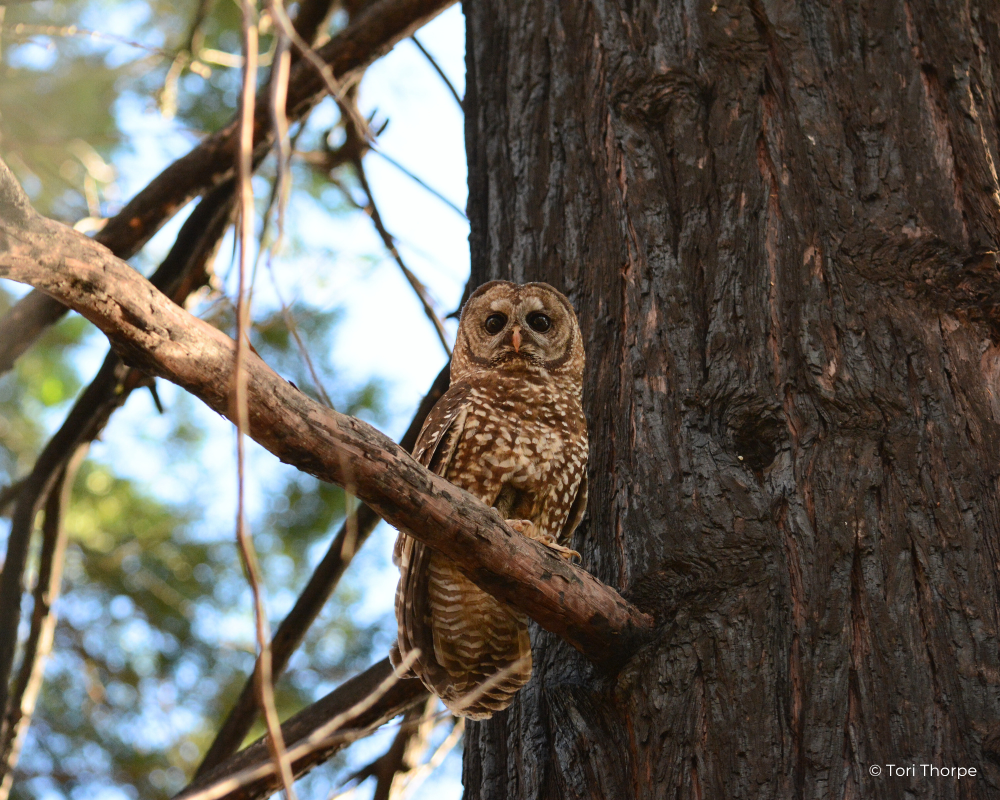
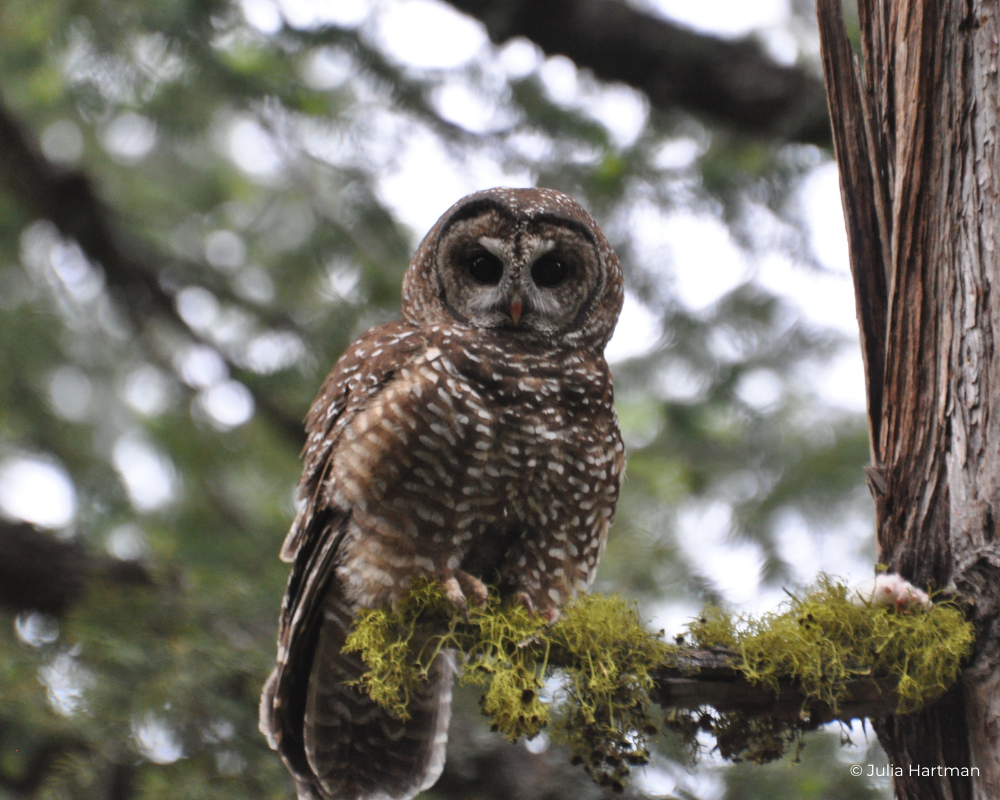
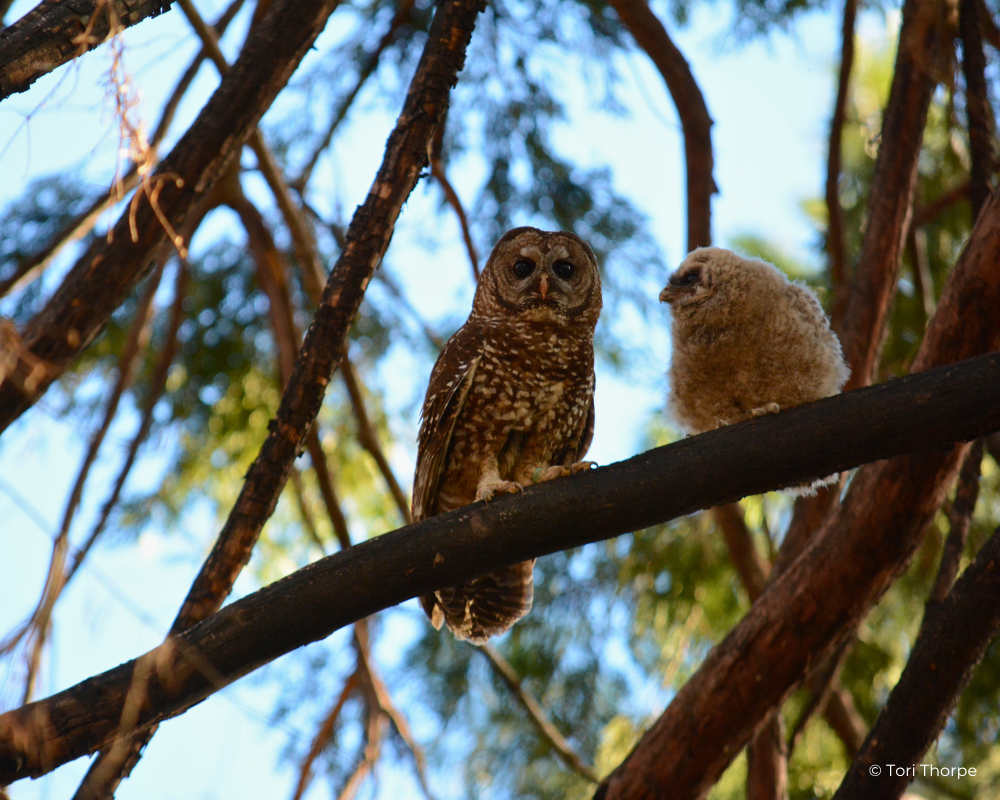
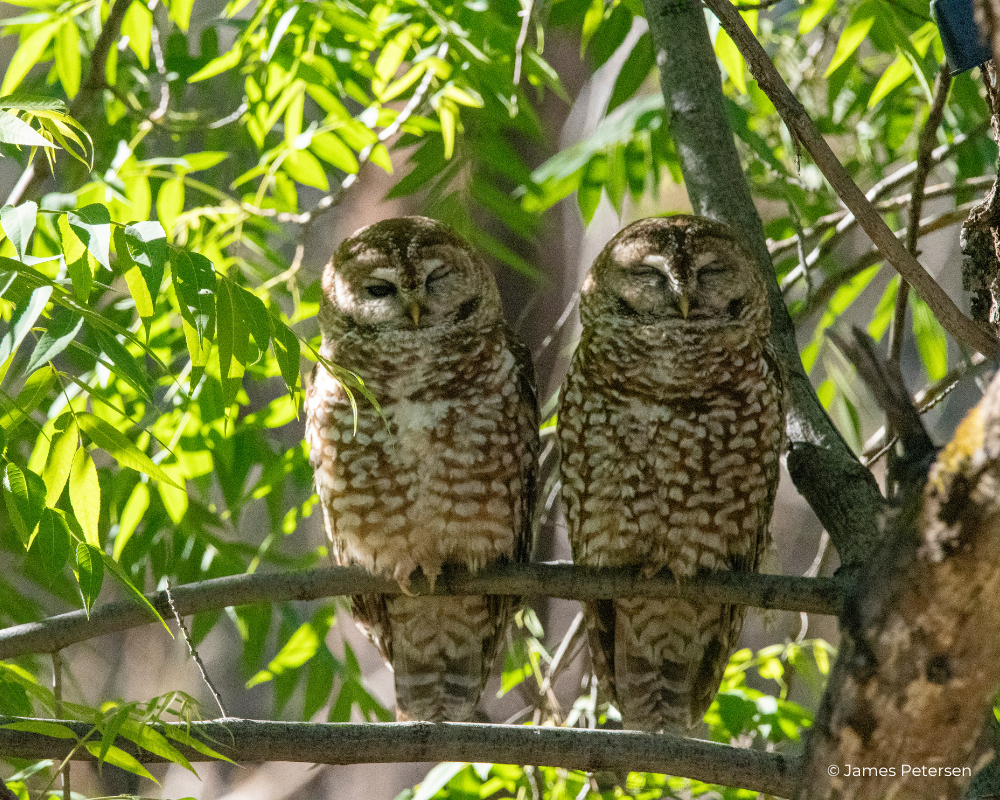
The Spotted Owl is a western species made up of three subspecies: the Northern Spotted Owl, the California Spotted Owl, and the Mexican Spotted Owl.
Spotted owls are typically perch hunters active during the night. They eat mostly small mammals, including flying squirrels and woodrats, mice, voles, and rabbits. They will also eat birds like small owls, as well as amphibians and invertebrates.
Northern Spotted Owl
This subspecies is the largest of the three and is found in the northernmost part of the Spotted Owl range. These birds can be found in the Pacific Northwest, or more specifically, in southwestern British Columbia, down through Washington and Oregon, and even into northern California. Northern Spotted Owls prefer undisturbed old-growth forests, which are few and far between, playing a role in their decline. With the westward expansion of Barred Owl populations, Northern Spotted Owls are also faced with increased competition for food and resources against a generally more aggressive species. In 1990, the Northern Spotted Owl was listed as Threatened per the federal Endangered Species Act.
California Spotted Owl
The California Spotted Owl is mainly found in California, as their name suggests, but you can also spot these birds in the Sierra Nevada in Nevada and in Baja California, Mexico. Similar to the northern subspecies, California Spotted Owls prefer old-growth forests, including pine, mixed evergreen, and oak woodlands. California Spotted Owls also face threats from habitat loss and Barred Owl competition. They are currently proposed Threatened and Endangered in depending on the part of their range.
Mexican Spotted Owl
This subspecies has the largest range, from the southern Rocky Mountains in Colorado through southern Utah, Arizona, and New Mexico, and scattered through the Sierra Madre Occidental and Oriental to the mountains at the southern end of the Mexican Plateau. Mexican Spotted Owls have distinct habitat preferences compared to other subspecies. While they are found in forests such as mixed conifer and pine-oak forests, they are also commonly found in rocky canyon habitats. Mexican Spotted Owls are also impacted by climate change, habitat loss, and face emerging threats from recreation. In 1993, the Mexican Spotted Owl was listed as Threatened under the Endangered Species Act.