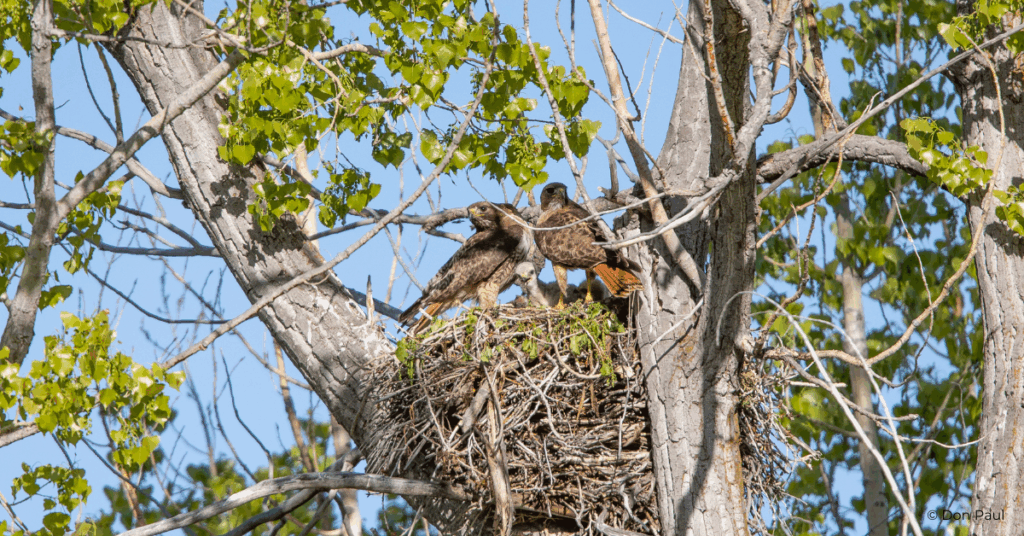
“I have a Red-tailed Hawk hanging around my yard. Can I do anything to encourage it nests here?”
Backyard birdwatching is the gateway drug that suddenly leads to you staying up at night, worried about whether or not your local nesting Great Horned Owl will successfully fledge its young. For those of you looking to embrace this hobby and take your backyard habitat to the next level, here is our guide to understanding what species nest where, what artificial nests you can build, and how to create a safe environment for raptors during this vulnerable time.
If you haven’t had any raptor visitors to your yard, check out our blog here first on how to attract them.
Nesting Types of Raptors in the United States
Some raptors aren’t so picky and will nest in many ways. For example, Ferruginous Hawks will nest in trees, on cliffs, platforms, or even on a pile of dirt on the ground. American Barn Owls nest in cavities, trees, cliffs, and, of course, buildings like barns. For this list, we’ve grouped species by primary nesting types, then listed the locations you might find their nests.
Cavity Nesters
- American Barn Owl: Cliffs, caves, human-built structures, nest boxes, haystacks
- American Kestrel: Trees, buildings, cliffs, nest boxes
- Barred Owl: Trees, platforms, nest boxes
- Boreal Owl: Trees, nest boxes
- Elf Owl: Trees, cacti, nest boxes
- Eastern, Western, and Whiskered Screech-Owl: Trees, cacti, nest boxes
- Ferruginous Pygmy-Owl: Trees, nest boxes
- Flammulated Owl: Trees, nest boxes
- Northern Hawk Owl: Trees, nest boxes
- Northern Pygmy-Owl: Trees
- Northern Saw-whet Owl: Trees, nest boxes
- Puerto Rican Owl: Trees
- Spotted Owl: Trees, canyons
Stick Nesters
- American Goshawk: Trees
- Aplomado Falcon: Trees, yucca, power poles, ground
- Bald Eagles: Trees, cliffs, platforms
- Broad-winged Hawk: Trees
- Common Black Hawk: Trees
- Cooper’s Hawk: Trees
- Crested Caracara: Trees, cacti, shrubs, human-built structures
- Ferruginous Hawk: Trees, ground, platforms, cliffs, haystack
- Golden Eagle: Cliffs, trees, platforms, ground, human-built structures
- Gray Hawk: Trees
- Great Gray Owl: Trees, platforms
- Great Horned Owl: Trees, human-built structures, cliffs, platforms
- Gyrfalcon: Cliffs, trees
- Harris’s Hawk: Trees, cacti, cliffs, platforms, human-built structures
- Hawaiian Hawk: Trees
- Long-eared Owl: Trees, cliffs, cacti
- Merlin: Trees, cliffs, ground
- Mississippi Kite: Trees
- Osprey: Trees, cliffs, platforms
- Red-shouldered Hawk: Trees
- Red-tailed Hawk: Trees, cliffs, human-built structures, platforms
- Rough-legged Hawk: Cliffs, trees, human-built structures
- Sharp-shinned Hawk: Trees
- Short-tailed Hawk: Trees
- Snail Kite: Trees, shrubs, human-built nest baskets
- Swainson’s Hawk: Trees, bushes, power poles
- Swallow-tailed Kite: Trees
- White-tailed Hawk: Shrubs, trees
- White-tailed Kite: Trees
- Zone-tailed Hawk: Trees
Other
- Burrowing Owl: Burrows
- Northern Harrier: Ground
- Short-eared Owl: Ground
- Snowy Owl: Ground
- Black Vulture: Caves, trees, ground, human-built structures
- California Condor: Cliffs, caves, trees
- Peregrine Falcon: Cliffs, platforms, human-built structures, trees, nest boxes
- Prairie Falcon: Cliffs, caves, trees, power poles, human-built structures
- Turkey Vulture: Cliffs, caves, burrows, logs, trees, human-built structures
Creating Artificial Nests
The best way to attract nesting raptors is to create a thriving natural habitat. Growing trees, providing water sources, leaving dead trees up, and rewilding your yard are the best investments and are more likely to attract species that don’t take to artificial nests. That is not to say that artificial nests are not valuable, as they can supplement your backyard habitat and can stand alone if you’re not ready or able to re-landscape your space. Remember: building a nest box will not guarantee nesting raptors, nor will it attract raptors who are not in your geographical range or prefer a different habitat. Artificial nests are also likely to attract non-target species like squirrels or European starlings. Be sure to look up the range, habitat preferences, and nesting timing of your desired species before building and installing an artificial nest.
Nest Boxes
Wooden nest boxes are some of the easiest habitats to make and install. You can often buy them prefabricated from retailers on Etsy, Wild Birds Unlimited, or even local wildlife nonprofits. If you choose to build your own, you’ll need to adjust the style, entry hole, and box dimensions based on what species you are looking to attract. Depending on your local ecosystem, you are most likely to attract screech owls, American Kestrels, Barn Owls, Northern Saw-whet Owls, and Barred Owls to your boxes. Nest boxes are not something you set and forget. You have to perform annual maintenance. It is important that you at least check your boxes every year and clean them out if there was an infestation, a non-raptor species was nesting there, or the nesting material is past the doorhole. We recommend adding fresh mulch to the bottoms before nesting season. For more information on why cleaning and maintaining your nest boxes is important, check out this blog.
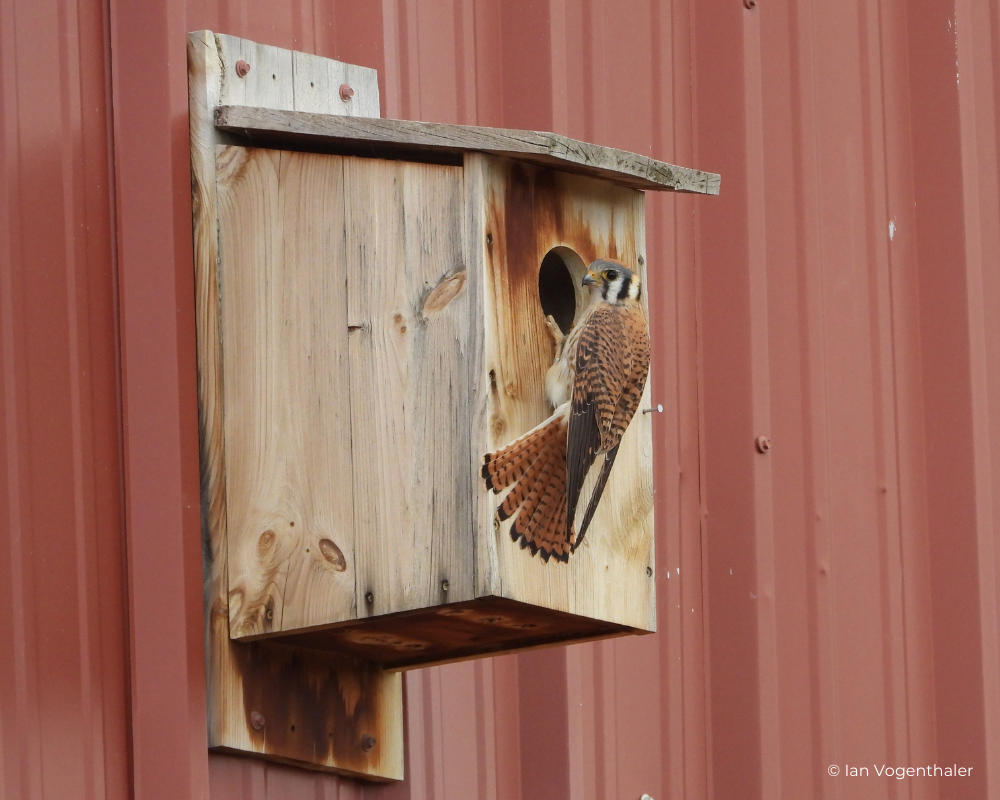
We personally maintain and monitor a network of about 600 boxes that house small cavity-adopting raptors such as American Kestrels and screech owls. If you want to build the nest boxes we use for our research, you can download the plans here.
Platforms
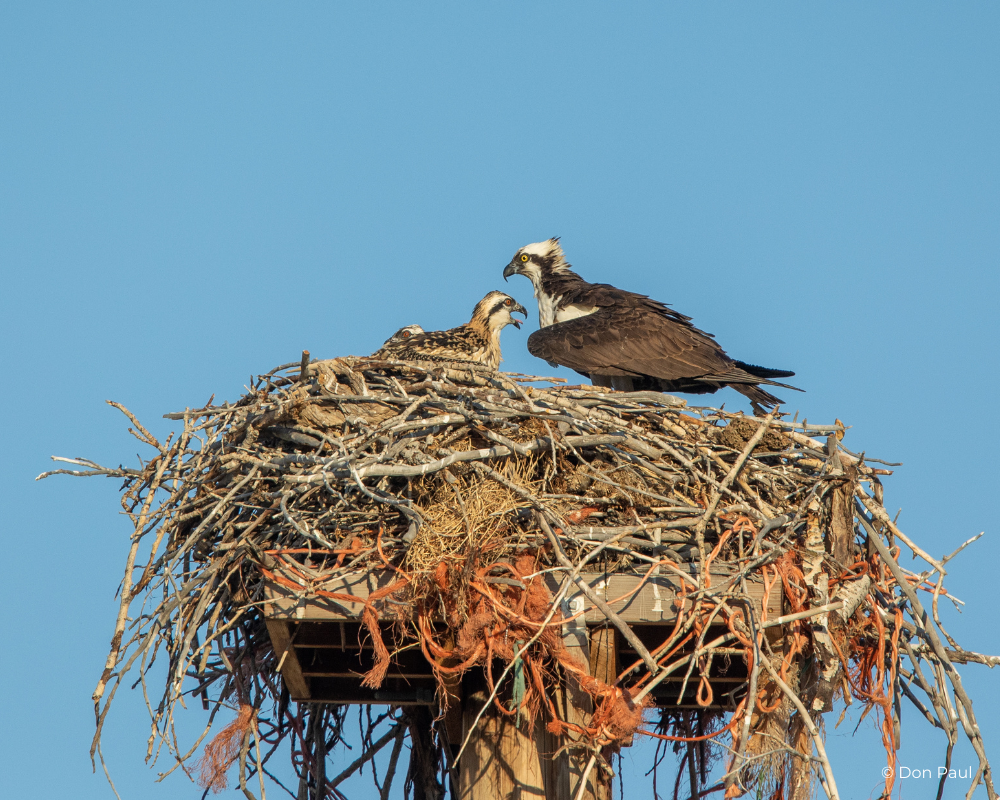
Typically, platforms are best suited to open areas or near bodies of water—habitats that cliff and platform nesters rely on. If you own property this expansive, or are part of an organization such as a nature center or a land preservation group, this may be a good option for you. Ospreys, Bald Eagles, Peregrine Falcons, Ferruginous Hawks, Red-tailed Hawks, and Great Horned Owls have been known to take up residence on platforms.
The Cornell Lab of Ornithology has many nest box instructions on its website, including this one for an osprey platform here.
*We have not personally built nest platforms according to these plans and cannot attest to their quality
Artificial Burrows
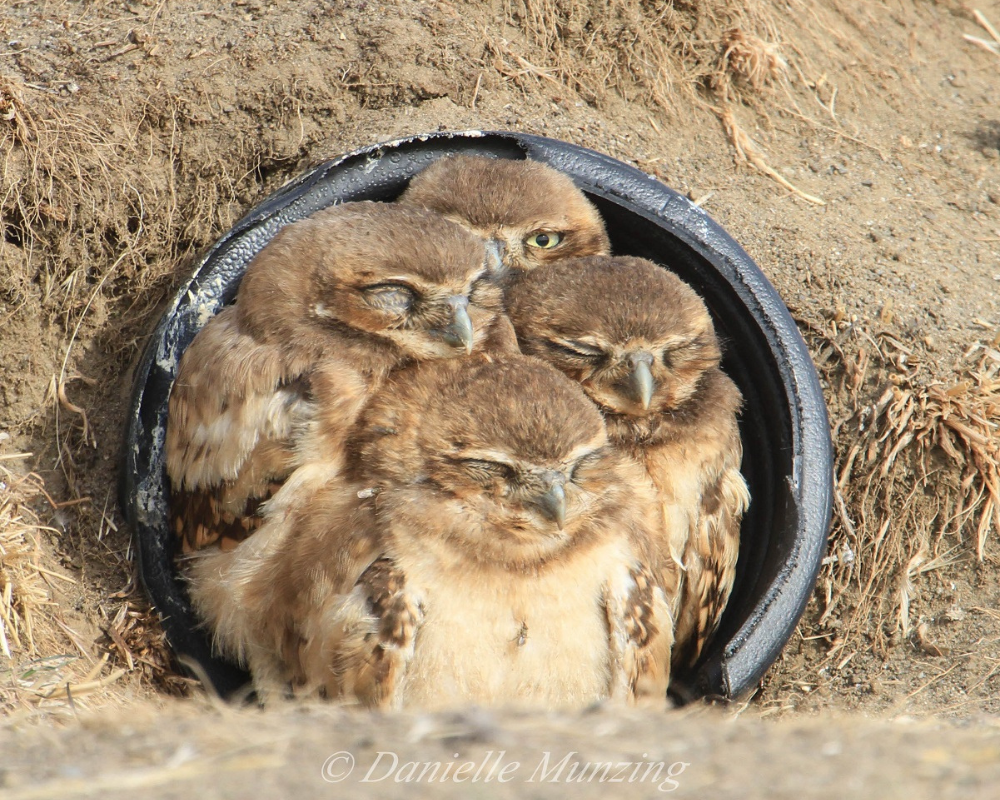
Although we don’t know of anyone who has built artificial burrows in their backyard, depending on your land, this could be feasible for you. Burrowing Owls typically use burrows made by prairie dogs or badgers, but you can recreate these yourself. Open, bare habitats like prairies, grasslands, and deserts are best. HawkWatch International monitors a network of artificial burrows throughout Antelope Island State Park in Utah, where reinforced burrows were made to protect nesting owls under foot of the roaming bison.
Texas Parks and Wildlife has a how-to guide you can check out here.
*We have not personally built burrows according to these plans and cannot attest to their quality
How to Ensure Safe Nesting
If a raptor is nesting in your backyard, you should consider taking a few extra measures to protect it.
Do Not Disturb
Keep an adequate distance between you and the nest. Disturbing a bird’s nest can lead the parents to abandon it or cause nestlings to prematurely jump from the nest, leading to their untimely death. Nests are also protected by the Migratory Bird Treaty Act, meaning that destroying the nest or eggs while a native bird is nesting is a federal crime. If you notice a nesting raptor in a populated area, like a park, consider emailing the park service or local governance to put up signs or barriers to keep disturbances at bay.
Keep Your Pets Inside
Cats can be a danger to smaller raptors and songbirds. Keep your cats inside, use leashes, or monitor their outdoor time to keep our feathered friends safe. Dogs also often pose a threat when birds are fledging, so keep a careful eye on your pets, especially during the spring season.
Avoid Chemicals
Using chemicals can put raptors and other animals up the food chain at risk. Keeping your chemical usage down, especially during nesting season, will help those little nestlings grow up strong.
If you still have questions about nesting raptors, you can use our Ask-an-Expert Form to reach our scientists directly. Cheers to a successful nesting season!
This blog was written by Sammy Riccio, HWI’s Communications Manager. You can learn more about Sammy here.