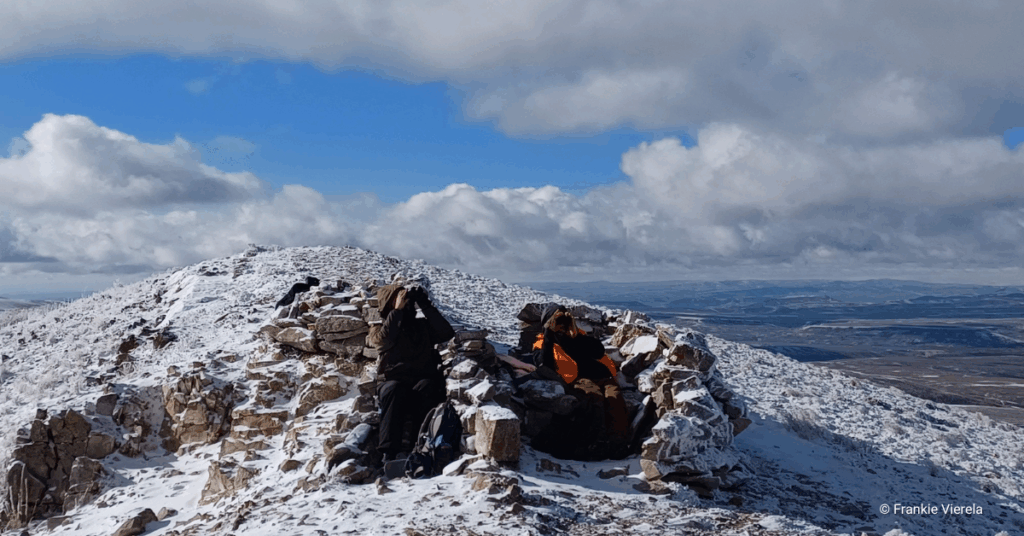
Many people meet our biologists or field technicians and say, “Wow! What an incredible job you have! How did you get into this field?” While there is no one correct way when it comes to working in the field of raptor research, here is some general advice for breaking into the field. I’ll give a brief background on my path to my current position, how you can best prepare yourself to work in this field, where you can start your search, how to stand out as a candidate, as well as some helpful information on deciding if this is the career path for you.
How I Got My Start
I graduated with a B.S. in Biology with a concentration in Ecology and Environmental/Evolutionary Biology. All I knew was that I wanted to work with wildlife and be outdoors.
After graduating, I took an internship at a wildlife rehabilitation center that focused on birds. As much as I enjoyed working hands-on with birds in the wildlife rehabilitation setting, I was eager to learn more about their behavior in their natural environment. I began taking seasonal field technician jobs and building my skills in various types of fieldwork focused on birds and particularly raptors. I joined HawkWatch International (HWI) as a migration crewmember in 2021 and loved HWI’s mission to conserve raptors and our shared environment. I sought opportunities to continue working with HWI in a seasonal capacity, including returning to migration, as well as working on the Eagle Vehicle Strike (EVS) project and as a raptor survey technician conducting diurnal raptor surveys and Mexican Spotted Owl surveys. Eventually, these seasonal positions developed into a full-time position, where I now help manage the EVS project, monitor Golden Eagle nests in Utah, and assist with various other projects throughout the year.
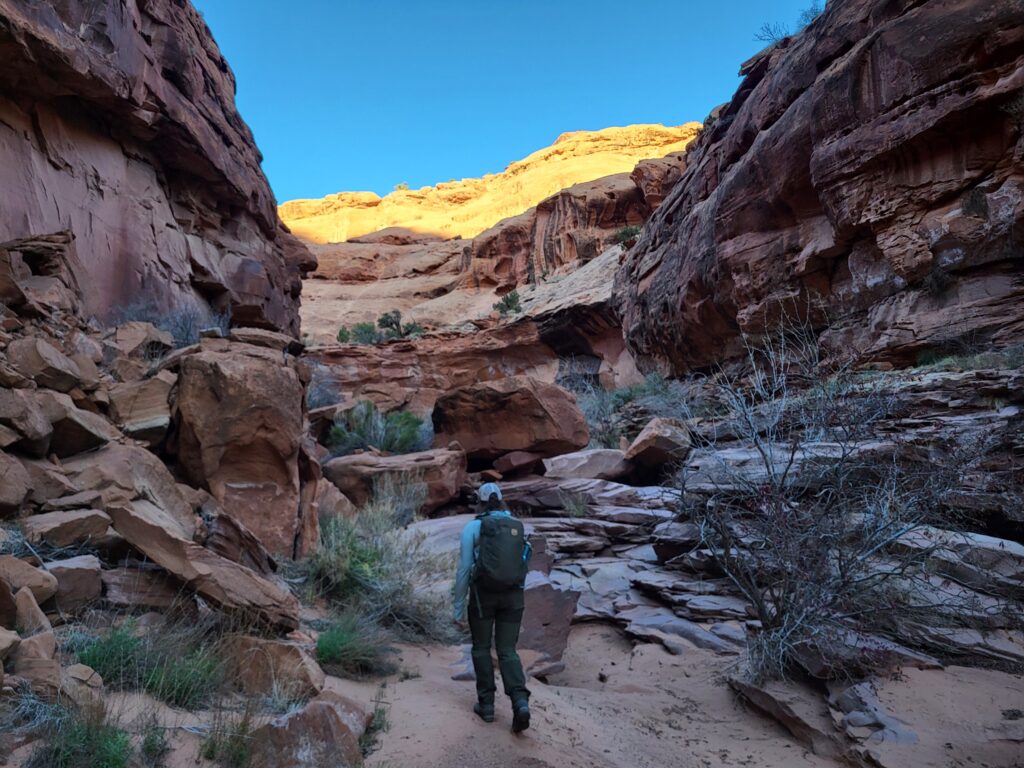
There are several folks within the HWI science departments who have followed similar routes to working in raptor research, but that is by no means the standard or the only way.
How to Prepare for a Career in Conservation
While having an undergraduate degree is not required for all positions, it is for most. Working in research of any kind requires some background knowledge in data collection techniques and data analysis. Obtaining an undergraduate degree in a science-focused discipline will go a long way in gaining these skills and make you a more desirable candidate in nearly all seasonal technician or field biologist positions. There are certain schools or programs that have more focused wildlife paths than others, so look closely at the programs in your desired schools before deciding.
Master’s Degrees and PhD programs provide even more skills and experience in managing projects and conducting research. Having a higher degree is often listed as a preference, if not a requirement, for most full-time research positions, and is typically required for leadership roles such as a director of a program or a university professor. Having the skill to take a project from concept to completion and be able to publish that work for the scientific community is something that a higher degree will help you establish. Working within a university while conducting research also gives you resources that may not otherwise be available and provides you with great opportunities for networking with other researchers in your desired field of study.
It is helpful to know what type of position you are seeking and what type of position you would like in the future when deciding what level of education you’d like to pursue. Look into positions of interest to you, and see what educational backgrounds people currently working in those positions have, to give you direction.
Where to Find Your Next Gig?
Whether you are looking for seasonal positions, full-time positions, or obtaining a master’s or a PhD, you need to know where to look. The following are helpful resources where many organizations, government agencies, and universities advertise available openings.
- Natural Resources Job Board – Texas A&M
- Ornithology Exchange Job Board
- Conservation Job Board
- The Wildlife Society Job Board
It’s also a good idea to follow organizations that you may be interested in working for on social media. They will often post about opportunities within their organization or share other opportunities from similar organizations. HawkWatch International will post opportunities within the organization here, and on our social media pages.
How to Be a Strong Candidate
The most important thing to do when applying for jobs, no matter the field, is to read the job description thoroughly! There are many ways to structure your resume and craft your cover letter, but some postings may require you to structure your application in a specific way. It may seem like it wouldn’t matter, but working in research means paying close attention to details, and not following these instructions immediately gives hiring managers the impression that you may miss important details when collecting data. Read the posting thoroughly and make sure to highlight the skills you have that are relevant to the position.
Don’t be afraid of rejection! Especially when starting out, it can feel like the odds are stacked against you. You apply to multiple jobs, get rejected, and start to think, why bother? Just stick with it, and an opportunity will present itself! There were several positions I applied to with HWI that I didn’t get, but by maintaining a good working relationship with the organization and my managers, and continuing to apply when positions became available, I was eventually able to join the team.
Make connections and network within the field you want to work in. This can mean joining a group such as The Wildlife Society, attending conferences, and/or volunteering with local wildlife organizations. Making these connections can mean you are first to know about an opportunity that becomes available and gives you the opportunity to meet people you may later apply to work with.
I would also suggest gaining experience in a variety of positions when starting out. There are many different entities and agencies conducting research and conservation work. Working for a government agency is very different from working for a non-profit organization, a graduate student or university, or an environmental consulting firm. When you’re working seasonal positions, it’s a good idea to try to work for each of these different types of organizations to help inform you what sector you may want to invest your time in the future, as they each have their own pros and cons.
Deciding What Path is Right for You
Working in the field of raptor research can be a challenging career path. As rewarding as it can be, there are a lot of things to consider before embarking on this journey.
Low pay, especially when starting out, is a limiting factor for many people trying to get into this field. Positions that provide housing can help relieve the financial burden of rent, and many organizations are striving to pay their technicians better, but there is no denying that working in this field can be financially challenging.
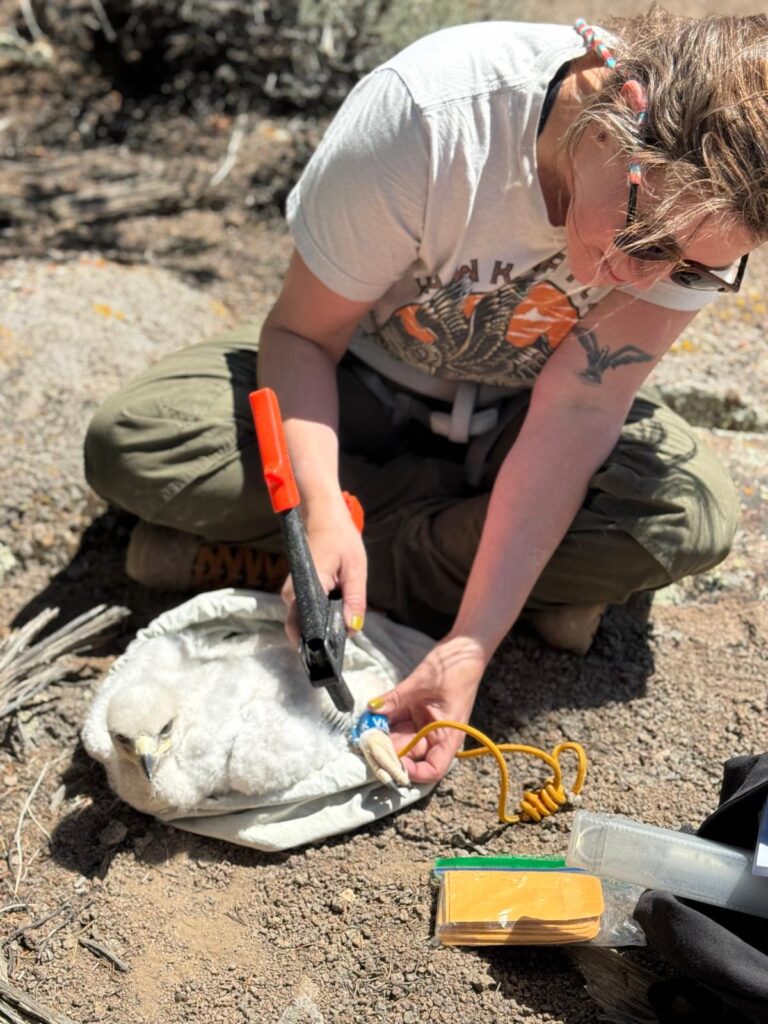
Time in the field is a big draw for many of us, but you often underestimate how much time will be spent at a computer desk managing and analyzing data, writing reports, and publishing your work. Even when we do get in the field, it’s certainly not all sunshine-y days. We work in the elements, including extreme cold or heat, rain, at night, and we often work extremely long hours. These hours are often outside the typical 9-5 and can include weekends or holidays, depending on the type of work you are doing. This is something to consider before you commit to this career path, as it can be hard to strike a healthy work/life balance.
While this may not be the ideal career for everyone, it draws people passionate about what they do, and being able to do what you love and find meaningful can make it all worth it. The best advice I can give anyone looking to work in the field of raptor conservation is to be determined and not get discouraged. Rarely do people in this field follow a linear path to get where they are.
This blog was written by Frankie Vierela, one of HWI’s Field Biologists. You can learn more about Frankie here.