Press Releases

HawkWatch International to Spread its Wings in Tucson with Gift of 16 Acres to Support Conservation and Education

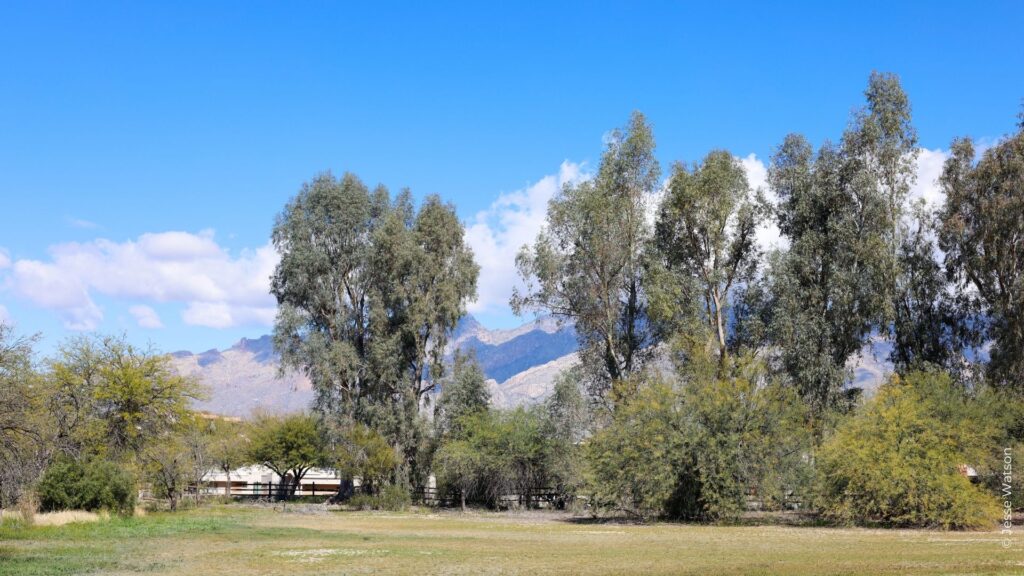
HawkWatch International to Spread its Wings in Tucson with Gift of 16 Acres to Support Conservation and Education “The Roost” Will Be a Hub for Conservation of Raptors and Other Wildlife in Southern Arizona, the Sky Island Region, and Beyond TUCSON, Ariz. (March 17, 2026) — HawkWatch International (HWI), a global leader in raptor research,

HawkWatch International to Spread its Wings in Tucson with Gift of 16 Acres to Support Conservation and Education Read More »

Migration Is On! Why Aren’t Most Hawkwatchers Counting?

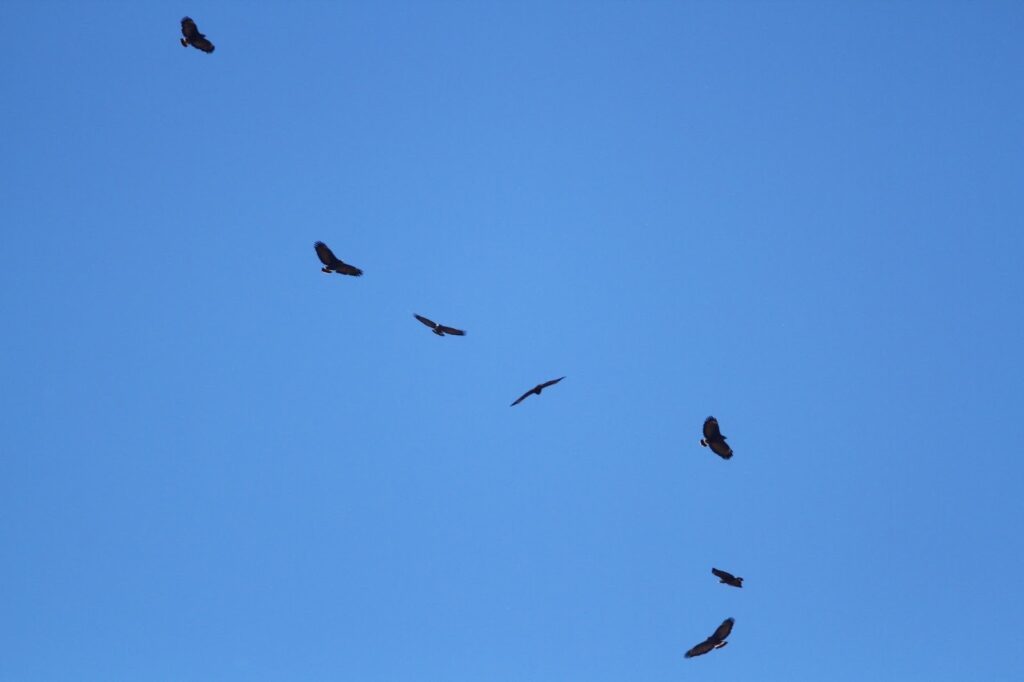
In the northern hemisphere, many raptor species breeding in North America migrate south in the fall and return north in the spring. Organizations like HawkWatch International (HWI) document these migrations each year at established locations called hawkwatches. This overview map, produced by the Raptor Population Index, displays the hawkwatches located throughout the Americas (real-time count

Migration Is On! Why Aren’t Most Hawkwatchers Counting? Read More »

HawkWatch International Welcomes Tubac HawkWatch to Network

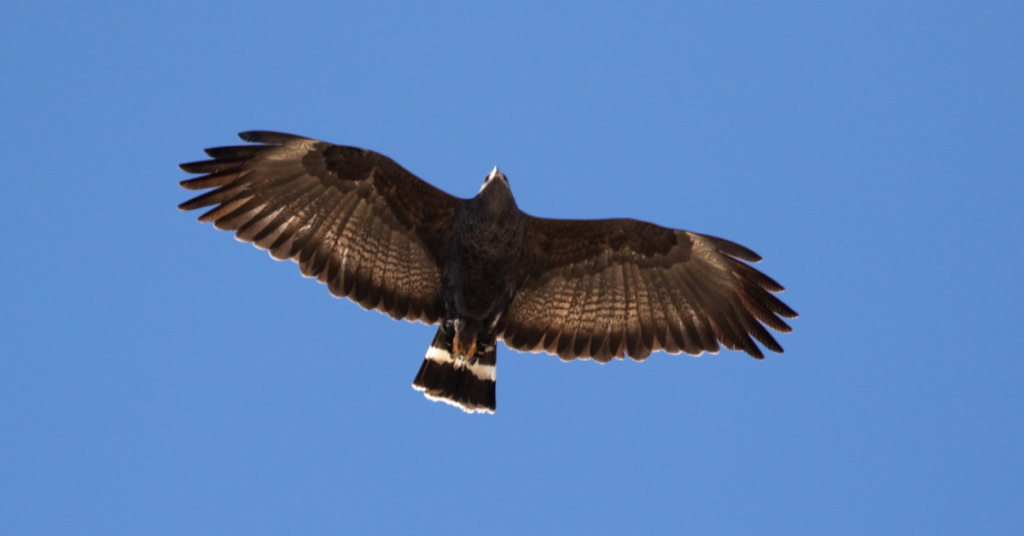
TUBAC, ARIZONA—HawkWatch International is excited to announce it will be partnering with the Tubac Nature Center to run the Tubac HawkWatch beginning February 15, 2024.  Tubac will be the eighth location in HawkWatch International’s network of migration monitoring sites and will become the second spring site in the current network. The site is unique in

HawkWatch International Welcomes Tubac HawkWatch to Network Read More »

As vulture numbers decline, feral dog numbers grow, posing risk to ecosystem and human health, new study finds

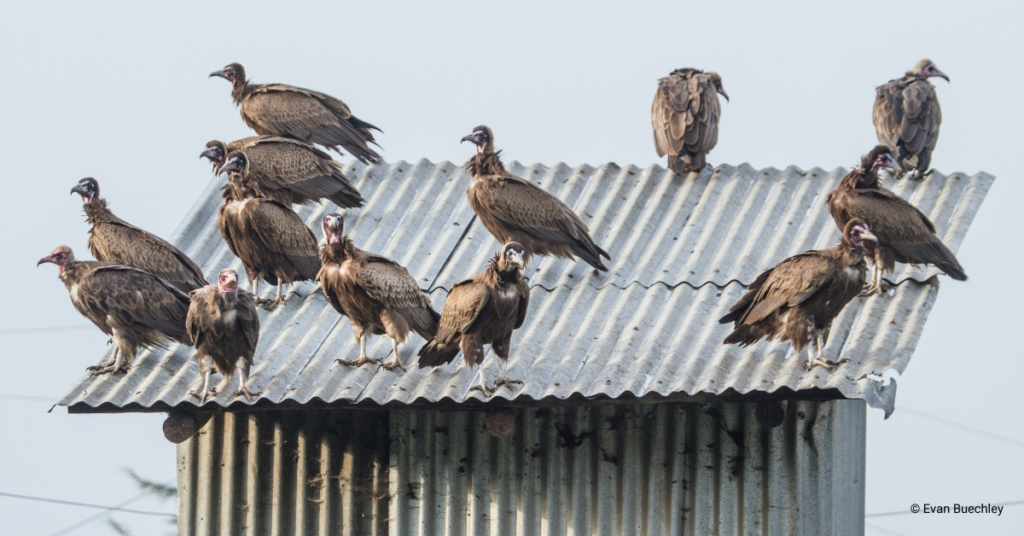
It is well established that populations of vultures are declining dramatically around the world. But the potential consequences of these declines are less known. A new study in East Africa documented the abundance of critically endangered vultures and quantified how much carrion they consumed in urban settings. Unfortunately, in just five years, Gyps (White-backed- and

As vulture numbers decline, feral dog numbers grow, posing risk to ecosystem and human health, new study finds Read More »

Scroll to Top