Former HWI Migration Sites

HawkWatching History

HawkWatch International operates the largest network of long-term raptor migration sites in the world. Since our founding in 1986, the migration network has evolved alongside changing conservation concerns, scientific priorities, partnership opportunities, and available funding. Although we’ve focused on maintaining uninterrupted migration monitoring at a core set of sites, we have a long history of hawkwatching across the western United States. This page highlights some of these historic hawkwatches and the important role they’ve played in helping us understand raptors and their migration patterns. Although some of these sites are no longer operational, they are still fantastic places to witness the magic of migration.

Former Fall Sites
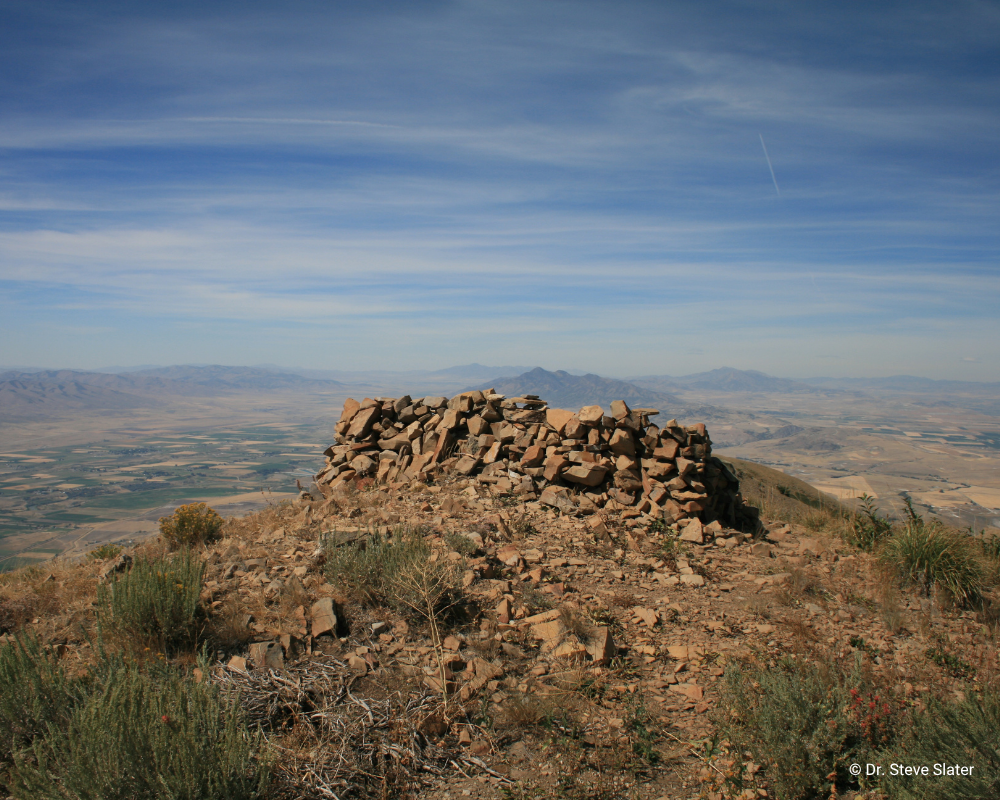
Wellsville Mountains

Location: Utah (N 41.68833, W -112.04833)
Operated: 1977-2008
Species Observed: 17
Average Count: 3,549
Current Operator: N/A

The Wellsville Mountains Raptor Migration Project monitored population trends of raptors that migrate through the Wasatch Mountains along the western margin of the Rocky Mountain Flyway. The Wellsville is an ideal lookout for observing the fall flights of migrating raptors, with several ridges to the north that serve as “leading lines” funneling migrating raptors into the Wellsville Mountains. In addition, the Great Salt Lake and Great Salt Desert to the west likely serve as barriers to migration. The most commonly seen raptor species were Sharp-shinned Hawks, Cooper’s Hawks, Red-tailed Hawks, American Kestrels, and Northern Harriers.

Lipan Point HawkWatch

Location: AZ (N 36.03306, W -111.85333)
Operated: 1991-2014
Species Observed: 19
Average Count: 5,588
Current Operator: N/A

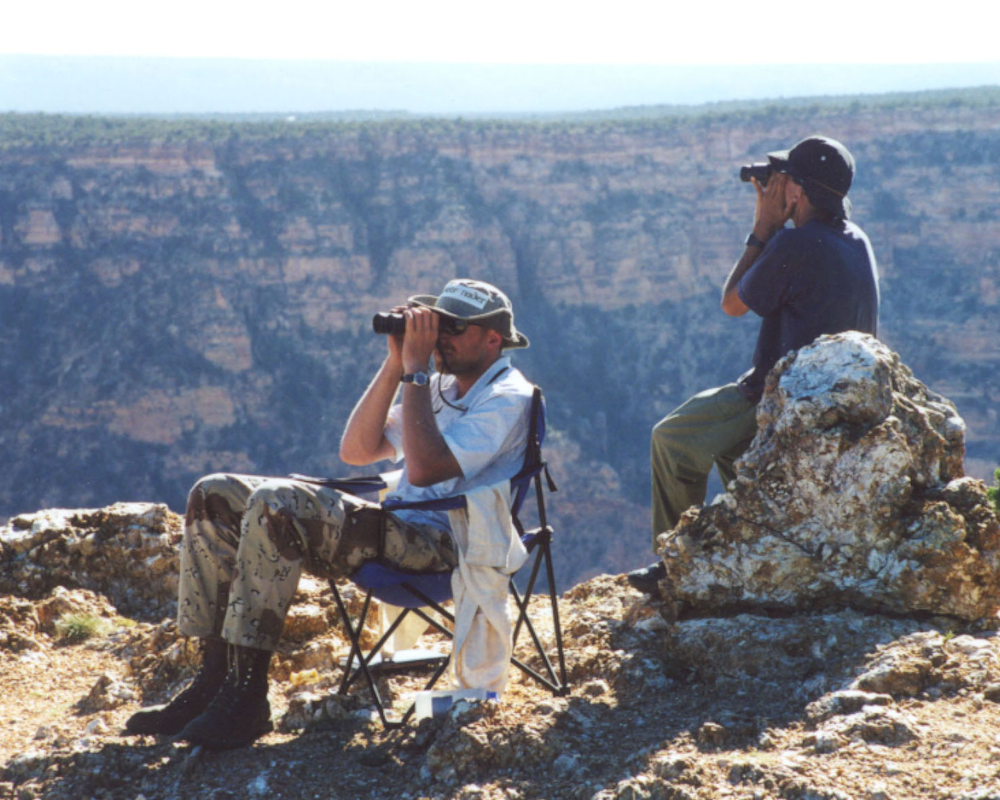
The Grand Canyon HawkWatches monitored populations of migratory raptors that use the southern portion of the Intermountain Flyway. Lipan Point’s location is immediately across from a “peninsula” of plateau that juts out into the canyon from the north rim. This peninsula creates a narrow gap between the two canyon rims, funneling the raptors, similar to locations where raptors seek narrow passages to cross large bodies of water. The most commonly seen raptor species were Red-tailed Hawks, Sharp-shinned Hawks, Cooper’s Hawks, and American Kestrels.

Chelan Ridge HawkWatch

Location: WA (N 48.02022, W -120.094)
Operated: 1997-2022
Species Observed: 17
Average Count: 1,706
Current Operator: N/A

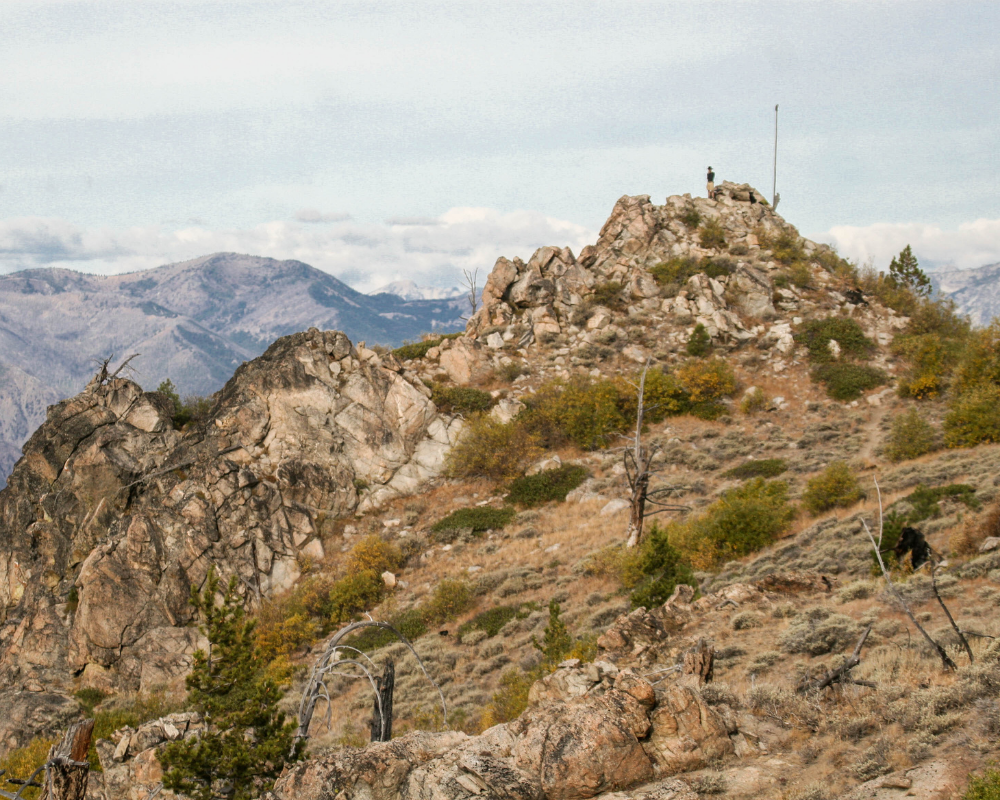
The Chelan Ridge HawkWatch monitored raptor populations along the north Cascades migratory flyway. The Falcon Research Group, in cooperation with HWI and the Okanogan and Wenatchee National Forests, initiated a banding program at the site in 1999, two years after the site’s founding. Situated at an elevation of 1,729, it offered a 360-degree view of the surrounding landscape, including the Mitchell Creek Basin, the Columbia River, the Waterville Plateau, the Sawtooth Wilderness, and the Black Canyon. Most commonly seen raptor species are Sharp-shinned Hawks, Red-tailed Hawks, Cooper’s Hawk, Northern Harriers, and Turkey Vultures.

Former Spring Sites

Sandia Mountains HawkWatch

Sandia Mountains HawkWatch

Location: New Mexico, (N 35.08667, W -106.4325 )
Operated: 1985-2009
Species Observed: 22
Average Count: 3,957
Current Operator: N/A

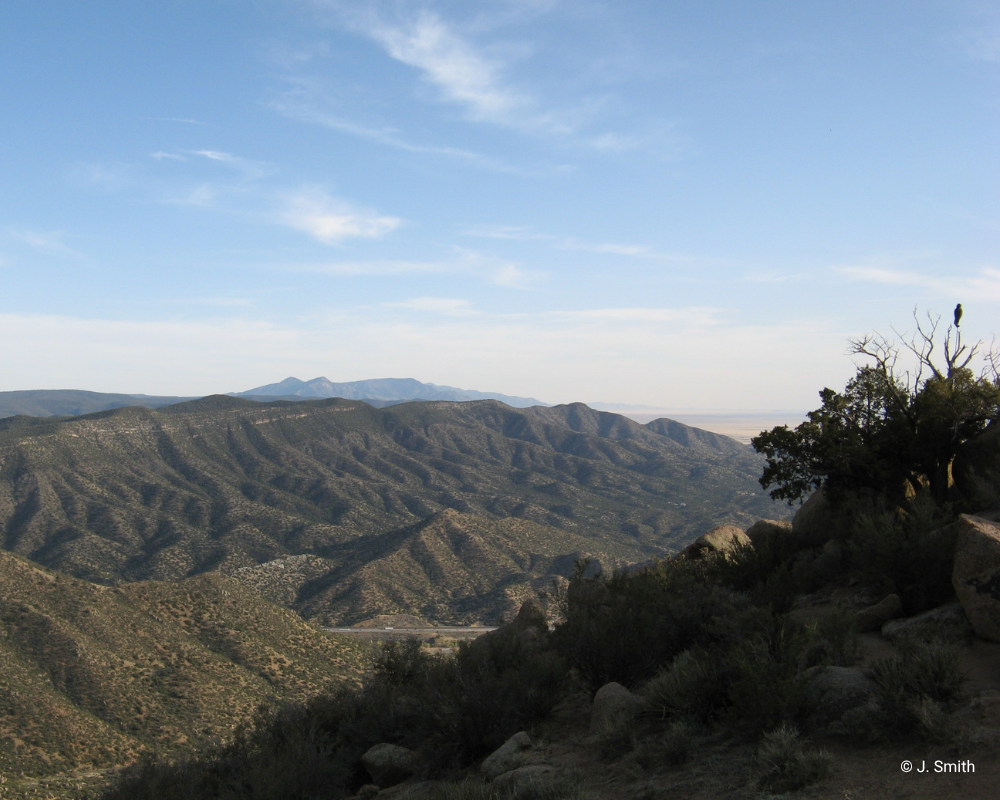
The Sandia Mountains HawkWatch monitored long-term trends in raptor populations in the southern portion of the Rocky Mountain migratory flyway. Starting in 1990, the site also began trapping efforts. The most commonly seen raptor species were Turkey Vultures, Cooper’s Hawks, Sharp-shinned Hawks, Golden Eagles, and Red-tailed Hawks.

Rogers Pass HawkWatch

Location: Montana, (N 47.08004, W -112.37895 )
Operated: 1992-2002
Species Observed: 14
Average Count: 1,666
Current Operator: N/A

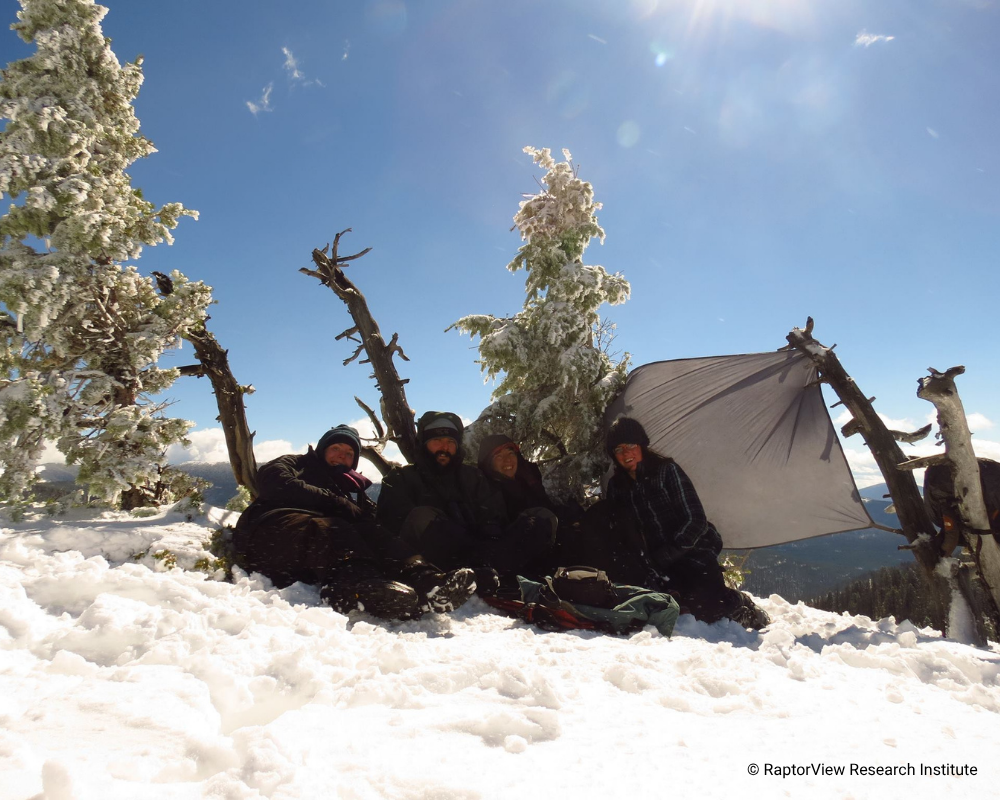
The Rogers Pass HawkWatch monitored long-term trends in raptor populations along the northern Rocky Mountain migratory flyway, with a focus on Golden Eagles. This route was particularly attractive in the spring due to the abundance of Columbian Ground Squirrels and Black-tailed Prairie Dogs newly emerged from winter burrows, carrion from spring calving, and migrating waterfowl for raptors to feed on. Over 90% of the raptors counted at this site were Bald or Golden Eagles.

Jordanelle HawkWatch

Location: Utah (N 40 35.533, W 111 26.500)
Operated: 1997-2002
Species Observed: 18
Average Count: 4,202
Current Operator: N/A

The Jordanelle HawkWatch monitored long-term trends in raptor populations along the Rocky Mountain migratory flyway. This site was close to our Salt Lake City headquarters, providing a nearby opportunity for education efforts. We also conducted three years of exploratory trapping and banding. The most commonly seen raptor species were Turkey Vultures, Red-tailed Hawks, Cooper’s Hawks, Sharp-shinned Hawks, and Bald Eagles.

Support the Migration Network

HawkWatch International operates the largest single-run standardized network of migration sites in the world. Click below to support this long-term monitoring effort.

Scroll to Top