Raptors are at risk across the world, with more than 50% of species in decline. Making matters even more complicated, many species are so understudied that we don’t know the status of their populations. That’s particularly true of one group of raptors—owls—a group that, despite being quite common in pop culture, is still quite understudied.
Established in 2021, HawkWatch International’s Global Raptor Research and Conservation Grant was created to solve this problem, providing support and funding for projects focused on understudied and threatened species worldwide. Our vision is to close critical knowledge gaps, enabling science-driven conservation led by the local leaders dedicated to protecting them.
HWI received 40 applications focused on 26 different species during the 2026 grant cycle. Despite this diversity of species, it was clear to the review committee that 2026 was the year of the owl. Although fewer proposals focused on owls (n=11) than on any other group, these proposals were so strong this year that the winner chosen from each region is focused on this group of raptors. Keep reading to learn more about these owl-some researchers and the gaps they seek to close.
Africa
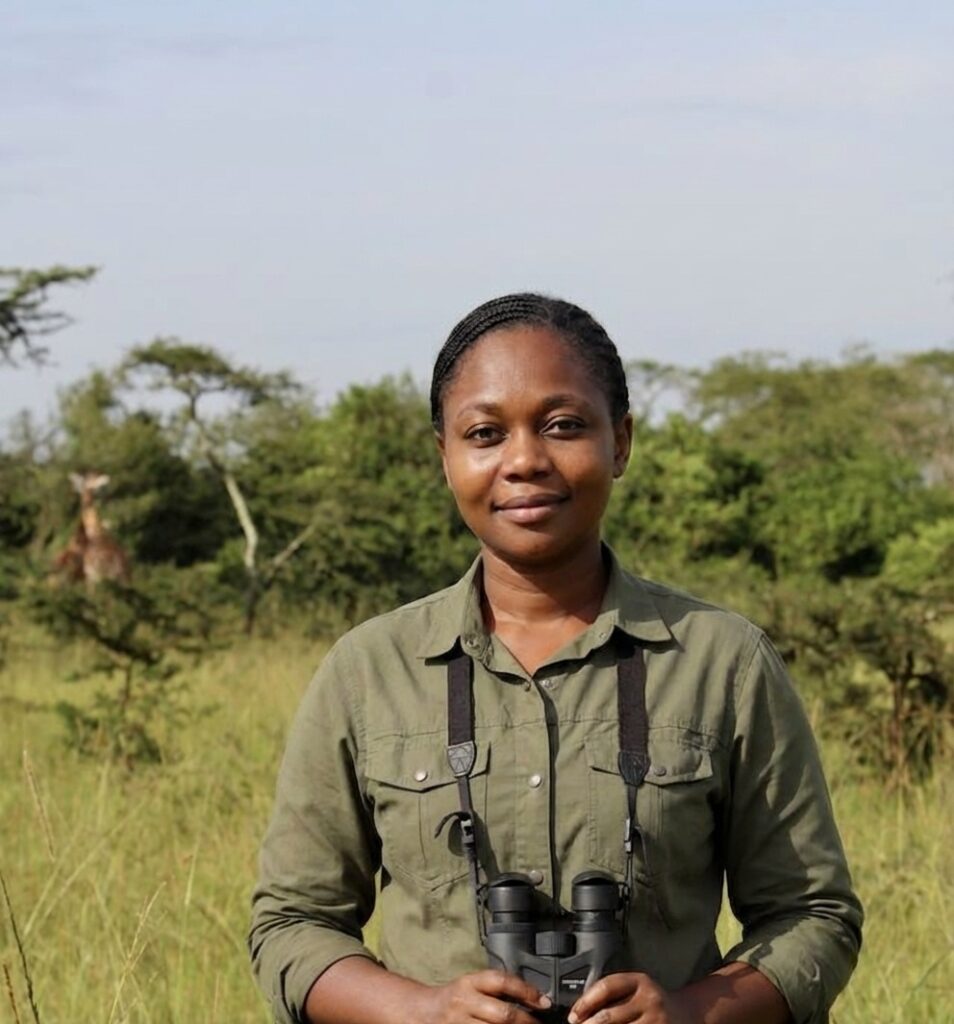
Gloria Edge, Maned Owl, Cameroon
Gloria Edge’s application on Maned Owl in Cameroon is the top application overall (top in Africa, top amongst owls). Although the Maned Owl was updated on the IUCN Redlist from Data Deficient to Least Concern in 2025, there have been no scientific publications on the species, and no population estimate currently exists. There is also a limited understanding of the threats, distribution, and population trends. Gloria’s research aims to undertake the first occupancy and threat assessment for this species in the Ebo Forest of Cameroon, using passive acoustic monitoring and standardized call-playback.
Asia
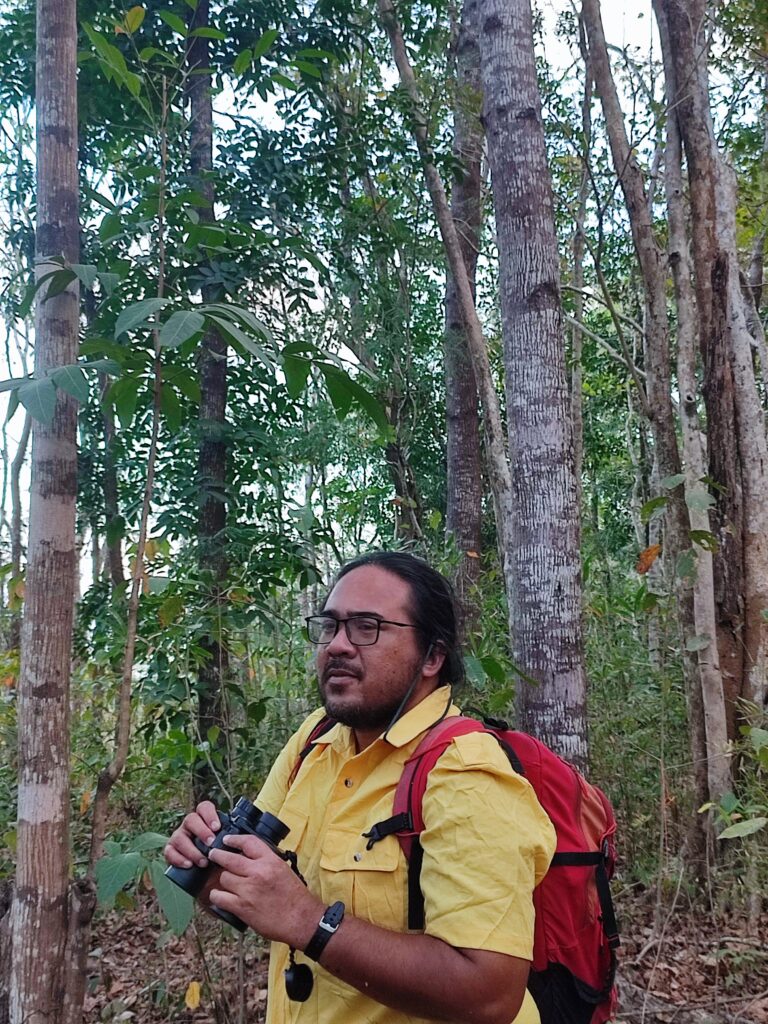
Kristoffer Ordoñez, Mindoro Hawk Owl, Phillipines
Kristoffer Ordoñez plans to research the Mindoro Hawk Owl, a Vulnerable island-endemic owl that also has no previous publications and limited basic information available. The population estimate has a 10-fold uncertainty (2,500-25,000 individuals), and the precise habitat use within its geographic range is poorly understood. Kristoffer’s project aims to undertake the first systematic, site-level surveys for the presence of this species in the Mount Calavite Wildlife Sanctuary, northern Mindoro, Philippines.
Central & South America
Michela Olaya, Long-whiskered Owlet, Peru
Michela Olaya’s project focuses on the Long-whiskered Owlet, a Vulnerable owl endemic to northern Peru, and estimated to have a population of <1,000 mature individuals. Within its range, this species’ distribution is restricted to the montane cloud forests of the northern Andes. However, it has only been confirmed at a limited number of sites, and knowledge gaps still exist regarding its local distribution and habitat use—information that is essential to its conservation. This project aims to use passive acoustic monitoring to both address these gaps and engage local communities in science and conservation. Alongside this, Michela will develop an environmental education kit to promote long-term, locally grounded raptor conservation outcomes.

Honorable Mentions
This year’s applications were reviewed by a panel of six HawkWatch International (HWI) staff and one HWI board member who worked through three difficult rounds of internal reviews to select this year’s finalists. Finalists were chosen following external reviews by Dr. Tulsi Subedi of Himalayan Raptors in Nepal and Dr. Manuel Grande from the Colaboratorio de Biodiversidad, Ecología y Conservación in Argentina. Given the caliber of this year’s applications, the HWI panel also selected a group of applicants worthy of honorable mentions.
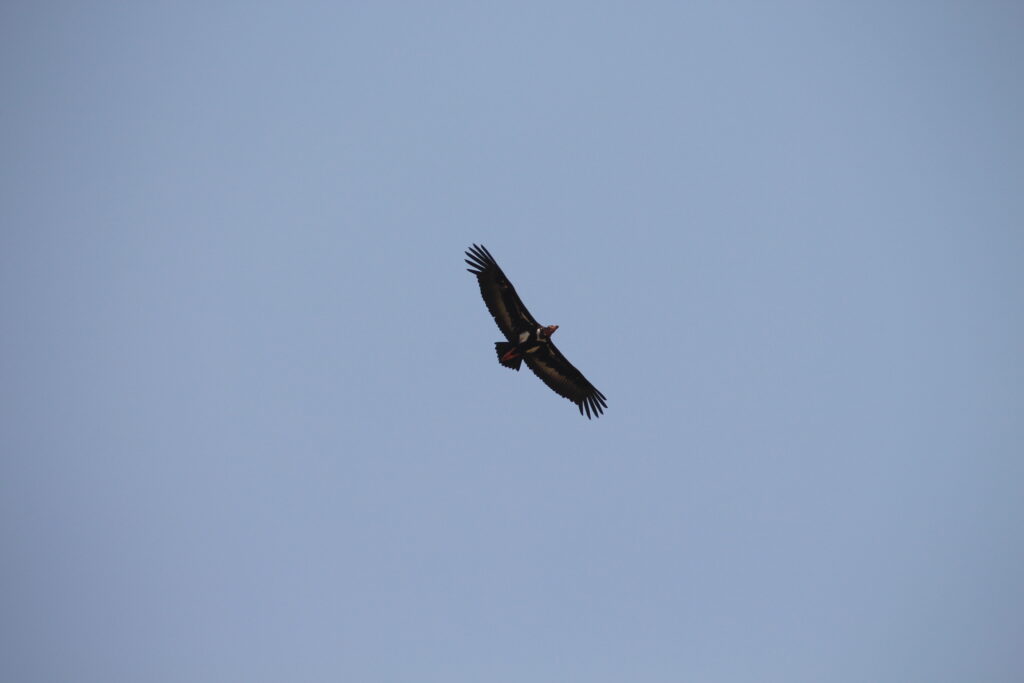
Aishwarya Laghate’s project aims to assess whether managed carcass dumping sites can improve safety for Red-Headed Vultures in India, including reducing exposure to NSAIDs and feral dogs.
Sara Weldu Abrha’s project on Hooded Vultures in Ethiopia aims to evaluate the effect of fencing at abattoirs on vulture abundance, by excluding competition from other scavengers, primarily feral dogs.
Zulqarnain Assiddiqi’s project on Javan Owlet in Indonesia aims to use passive acoustic monitoring across breeding and non-breeding seasons to identify occupancy and habitat preferences in order to strengthen evidence-based management.
Freddy Musimbi Kampunge’s application on the Congo Bay-owl, which was recently reclassified as Data-Deficient (from Endangered). This project aims to collect essential baseline information on the species’ distribution.
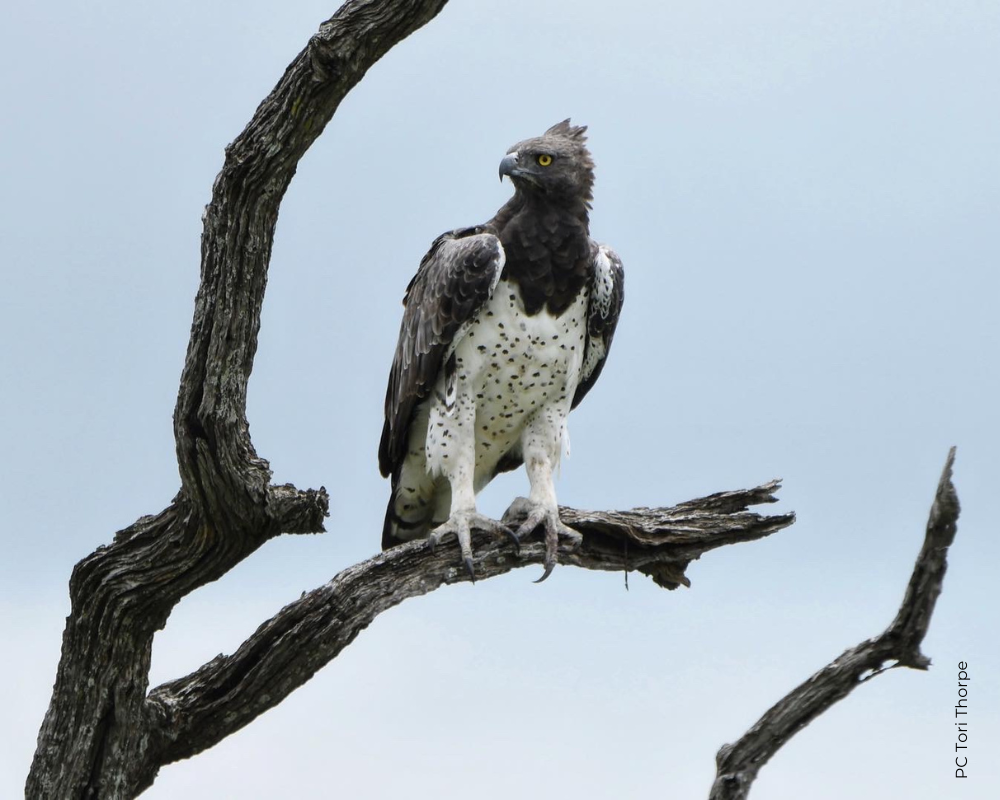
Sopani Sichinga’s application aims to undertake baseline surveys to better understand the distribution and threat exposure of Martial Eagle nests within the Vwaza Marsh Wildlife Reserve, Malawi.
Alejandro Schaaf’s application on the Yungas Screech Owl in Argentina aims to use passive acoustic monitoring to better understand occupancy patterns, relative abundance, and habitat selection of this cryptic species in relation to landscape transformation.
Special Thanks
The Global Raptor Research & Conservation Grant is made possible through the generosity people like you. If you want to support this program and provide funding for local biologists researching some of the most at-risk species, make a gift today: https://hawkwatch.org/donate/
This blog was written by Dr. Megan Murgatroyd, HWI’s Director of International Programs, and Kirsten Elliott, HWI’s Development & Communications Director. You can learn more about Meg here and Kirsten here.