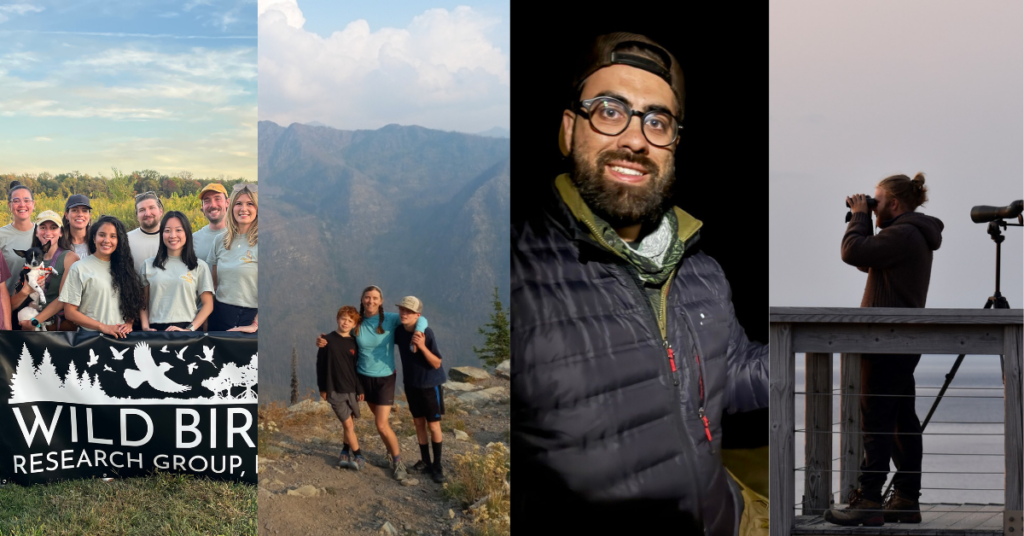
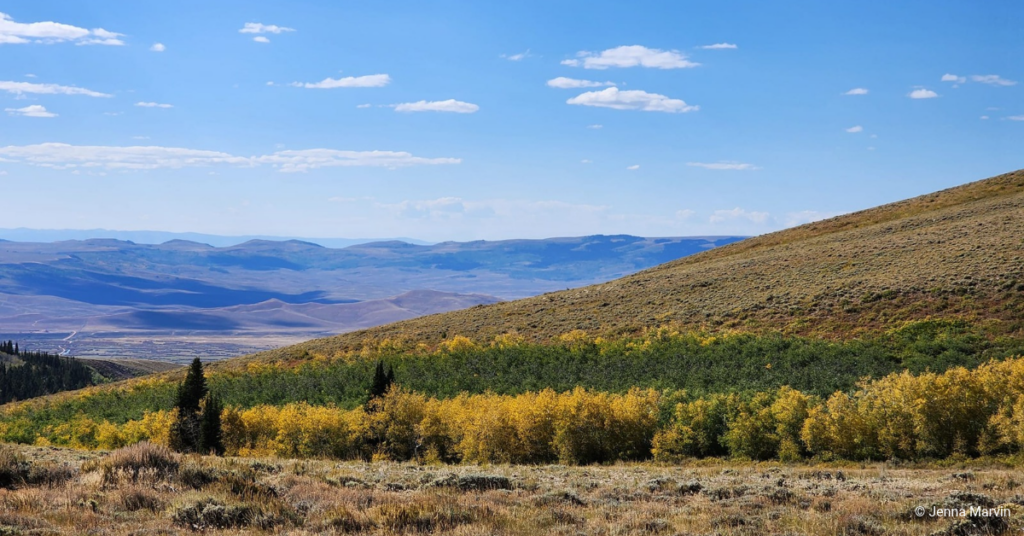
As you may have seen, wildfires across the West have made the 2026 fall migration season one of our most challenging yet. According to InciWeb, over 4.5 million acres have burned in the United States this year as of early September. This includes 2.3 million acres in Oregon and more than half a million acres in other states with HawkWatch International (HWI) migration sites. Due to continued fire activity, clean-up efforts, and forest closures tied to the Grasshopper and Whiskey fires, we suspended operations at the Bonney Butte HawkWatch in Oregon and Manzano Mountains HawkWatch in New Mexico for the 2026 season.
What does this mean for long-term monitoring data?
While losing a season of count data from these sites is disappointing, our long-term datasets (three and four decades long at the Bonney Butte and the Manzano Mountains HawkWatches, respectively) can absorb the loss of a single season of count data. We will resume monitoring at both sites in 2027 and still be able to use these unique and vital data to estimate population trends for the many diurnal raptor species that migrate through Oregon and New Mexico. This season also highlights the importance of a monitoring network. While it’s not safe to count migration at these two sites, HWI teams are still counting in Arizona, Nevada, Texas, Wyoming, and Utah.
What does this mean for people on the crews of suspended sites?
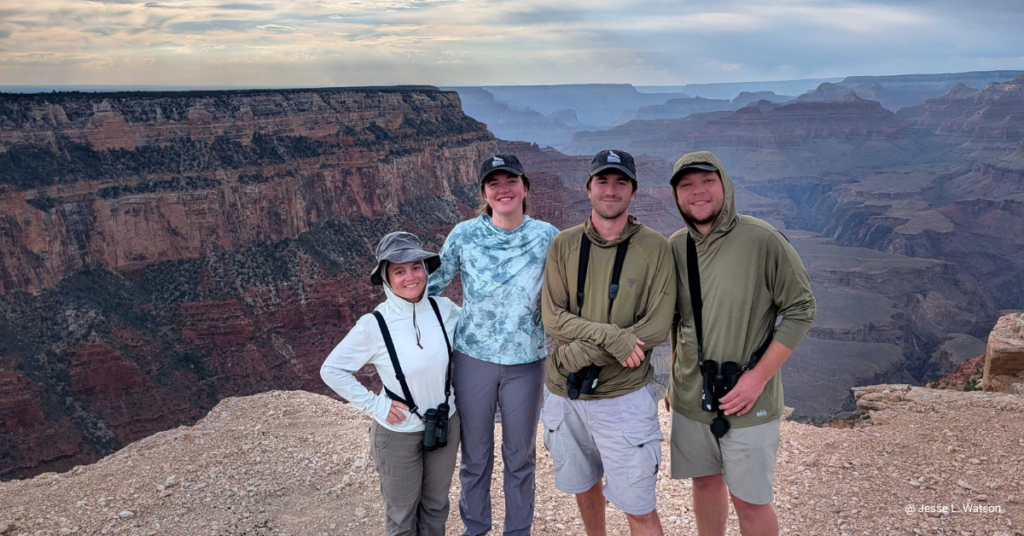
We take our commitment to the people we recruit for our migration crews seriously. Providing these future conservation professionals opportunities to develop field, team, and outreach skills that come with working a season at a HawkWatch is part of HWI’s mission. We’re happy to share that we’ve relocated some crew members to other sites in the HWI network for the season, including the Grand Canyon, Corpus Christi, and Commissary Ridge HawkWatches.
Making lemonade out of lemons
We’re viewing the Bonney Butte and Manzano Mountains HawkWatch season suspensions as an opportunity. Finding an easy-to-access count site near our headquarters in Salt Lake City, Utah has been on our wish list for some time. Such a site would allow more field trips, hands-on hawkwatching classes, staff involvement, and add to our understanding of migration in western North America. So we are making lemonade out of lemons and having some people from closed sites conduct exploratory counts in the Wasatch Mountains near Salt Lake City. Early results are promising, with the team counting over 600 migrating raptors in the first three days! Members of this ‘Wasatch Mountain HawkWatch’ crew will rotate between the Wasatch and our two sites nearest Salt Lake City (Commissary Ridge and Goshute Mountains HawkWatches). We truly appreciate the flexibility shown by everyone who’s working at a different spot than originally planned.
Thanks, too, to our supporters for your patience as we make, unmake, and remake plans this fall. Without further ado, let’s meet the rest of the 2026 Fall Migration Crew Members!
Commissary Ridge HawkWatch
Thank you to our friends and partners at the Bureau of Land Management and the Wyoming Wildlife Foundation for supporting this work.
Chloe Hernandez
Chloe grew up in San Antonio, TX. Since getting her degree in Wildlife Biology from Texas State University in 2020, she has spent the last six years working on several avian research projects throughout the United States. She began working with songbirds in Texas but has since specialized in raptor research through surveying, banding, and counting efforts in Montana, Alaska, California, and Wyoming. Chloe looks forward to utilizing her skill set while encouraging and helping her fellow crew members hone their counting, banding, and trapping skills. She’s also excited to contribute to HWI’s long-term data sets. During her time off, you can find Chloe keeping busy with something, whether it’s painting, wheel-throwing, paddleboarding, xc-skiing, knitting, baking, or one of her many other hobbies. Chloe’s favorite raptor is a Great Gray Owl.
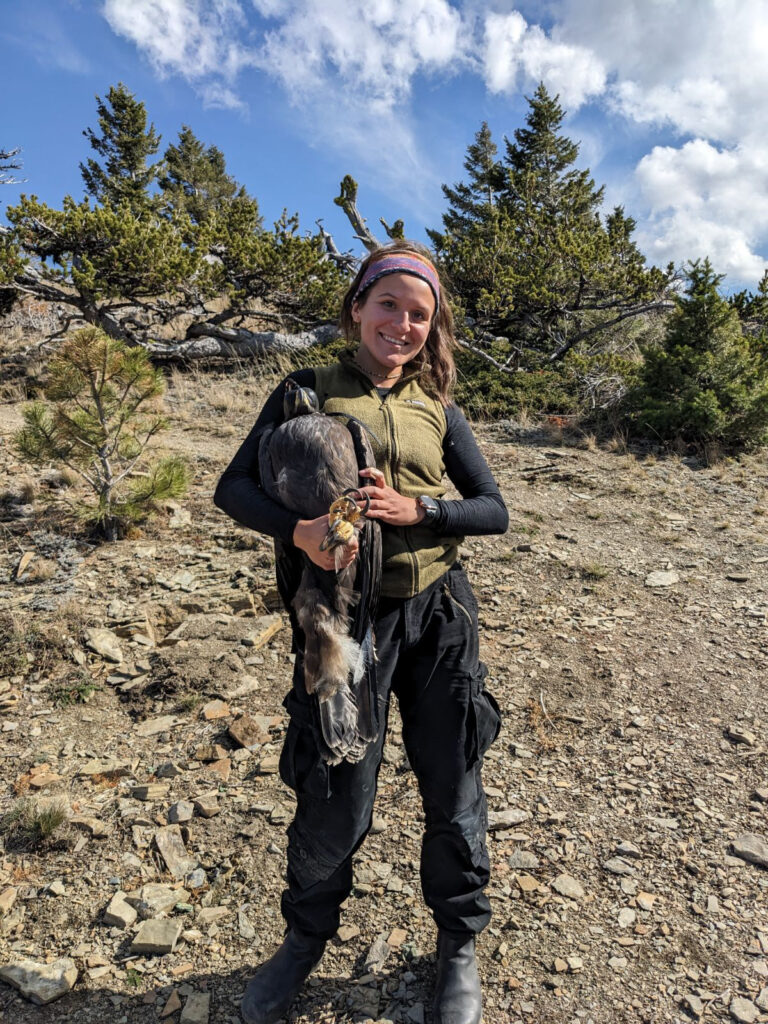
Natalie Fink
Natalie is excited for her third fall migration season with HawkWatch International! After two seasons at the Goshute Mountains HawkWatch, she looks forward to the challenge of a new site at the Commissary Ridge HawkWatch. She can’t wait to spend another magical season watching raptors. She recently returned from a wildlife veterinary internship in South Africa, where she worked with rhinos, cheetahs, leopards, antelope, and other wildlife, gaining valuable experience in animal handling and medical care. In spring 2025, she joined HWI’s CARES team studying nesting kestrels and screech-owls. Natalie earned her B.S. in Chemical Engineering from the University of Utah before discovering her true passion for wildlife research and conservation. In her free time, Natalie is a ski bum who loves biking and exploring remote wilderness areas. Her favorite raptors are the American Kestrel and Secretarybird.
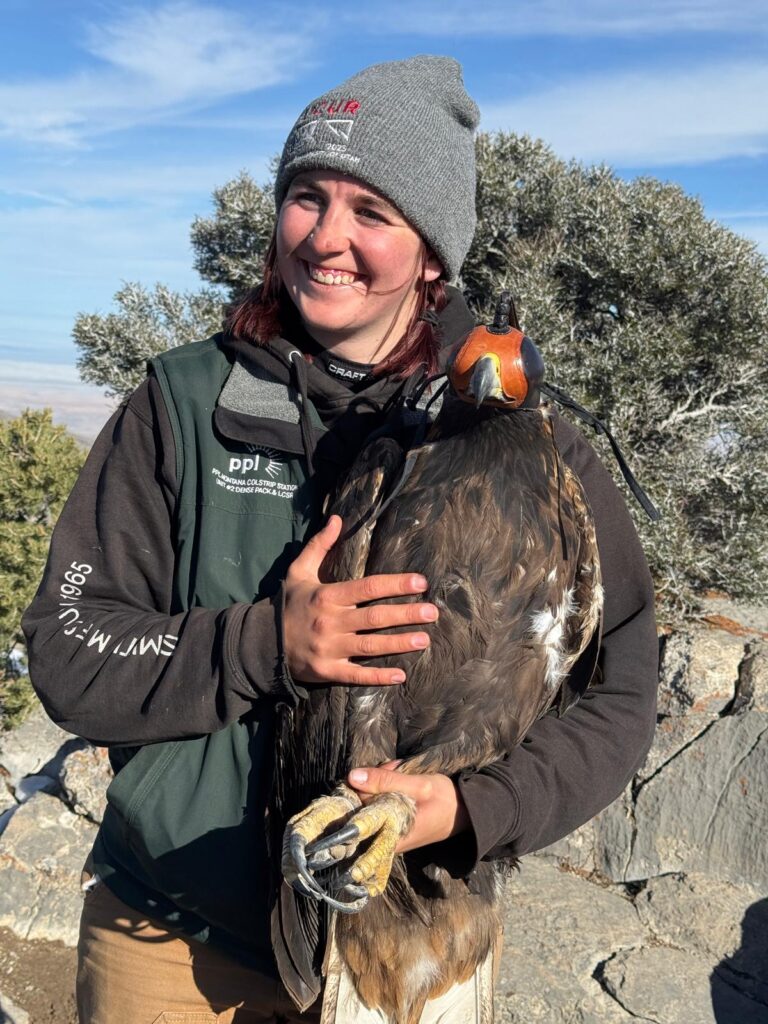
Alexander Henry
Alex has a BSc in Ecology and Evolutionary Biology and has worked primarily on nesting-bird and raptor-related wildlife surveys in the western US, including Goshawk and owl surveys in Eldorado and Payette National Forests. He looks forward to learning more about identifying and counting migrating raptors in flight, and to getting hands-on experience working with raptors and educating visitors about them. He spends much of his free time birding and naturalizing for fun. His favorite raptors include the American Goshawk, Golden Eagle, Great Gray Owl, and Flammulated Owl.
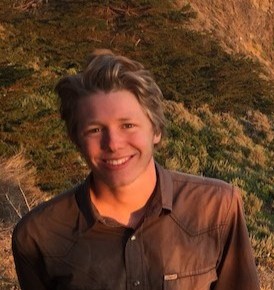
Tasos Stefanou
In May, Tasos graduated from Cornell University with their Bachelor of Science in Biological Sciences. Over the last two years, they have cultivated their love for the scientific process while studying the role of wild birds as pest control agents. Through this project and their time volunteering at a passerine banding station, Tasos developed their bird-banding skills and is excited to adapt them to raptor handling! Their favorite raptor, the Eleonora’s Falcon, is a beautiful bird that migrates across the Mediterranean and Eastern Africa. In their free time, Tasos enjoys writing music and painting.
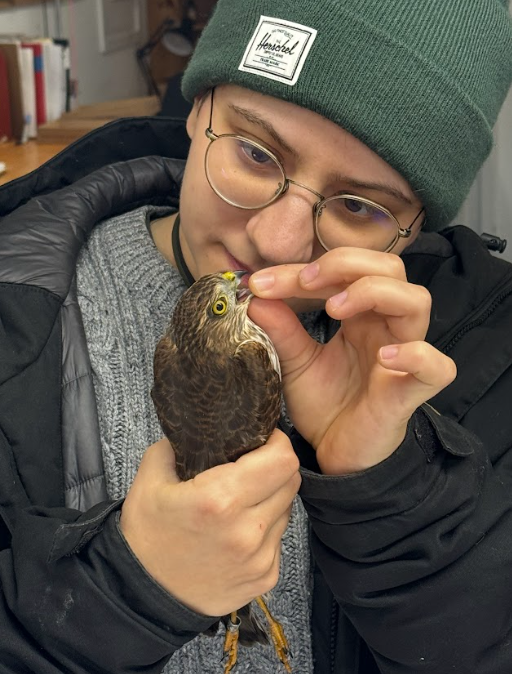
Callen Hein
From an early age, Callen was drawn to the natural world, becoming particularly fascinated with birds. Before university, he volunteered with the Center for Birds of Prey in South Carolina, where he developed a deeper appreciation for raptors. He recently completed his B.S. in Biology with a concentration in Environmental Science at Biola University, including field courses and research at the Au Sable Institute of Environmental Studies. After graduating, Callen worked as a field assistant on a warbler mist-netting project with the Toews Lab. He is thrilled to join HawkWatch International this season and looks forward to contributing to conservation, growing as a field biologist, and inspiring others to appreciate and protect raptors. Outside of research, Callen enjoys tennis, fitness, exploring the outdoors, fishing, reading, and music. His favorite raptor is the Peregrine Falcon, though he is also especially captivated by the Swallow-tailed Kite, one of his home state’s gems!
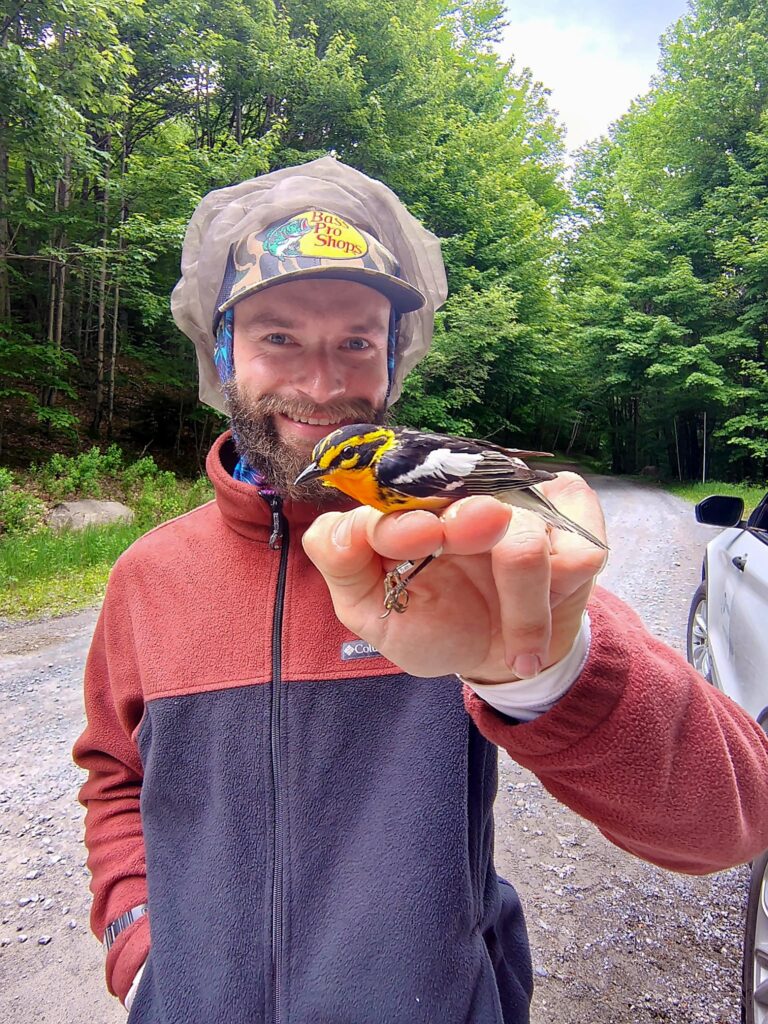
Pat Perez
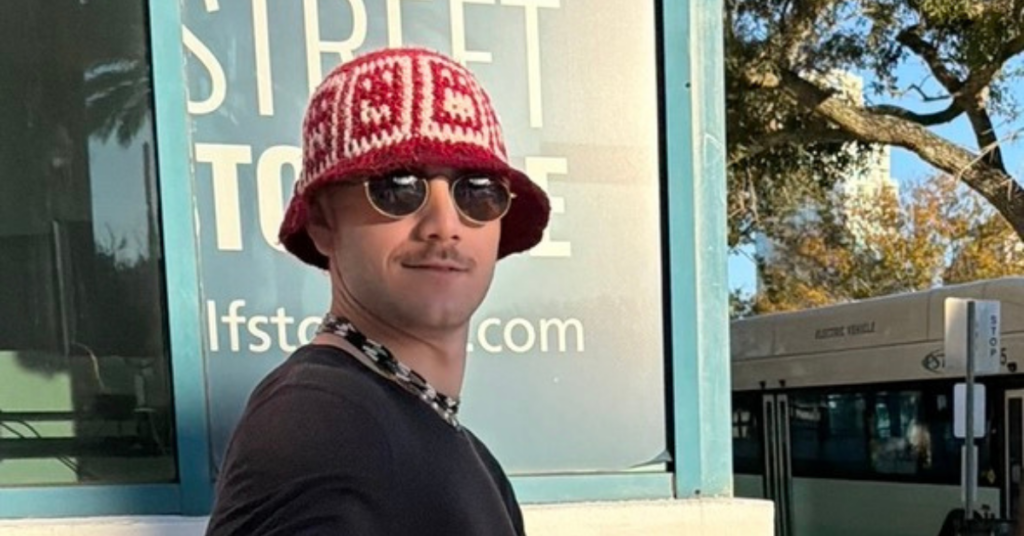
Pat grew up in the industrious South Florida city of Hialeah and spent most of their childhood chasing Muscovy Ducks and Green Iguanas around neighborhood parks. Before receiving their BS in Environmental Science from the University of Florida, Pat attended an Environmental Research-themed magnet high school where their passion for science was initially nurtured. They are eager to be a documentarian for such a longstanding project, and looks forward to gaining experience in more raptor ID and raptor trapping/banding. Since starting their career in biology, Pat has worked in habitat restoration, long-term ecology research, invasive pest detection, insect identification, and most recently as a wildlife technician monitoring California Spotted Owls and American Goshawks at the El Dorado National Forest. Pat’s favorite diurnal raptor is the classic Red-Tailed Hawk, with a close second being the Crested Caracara.
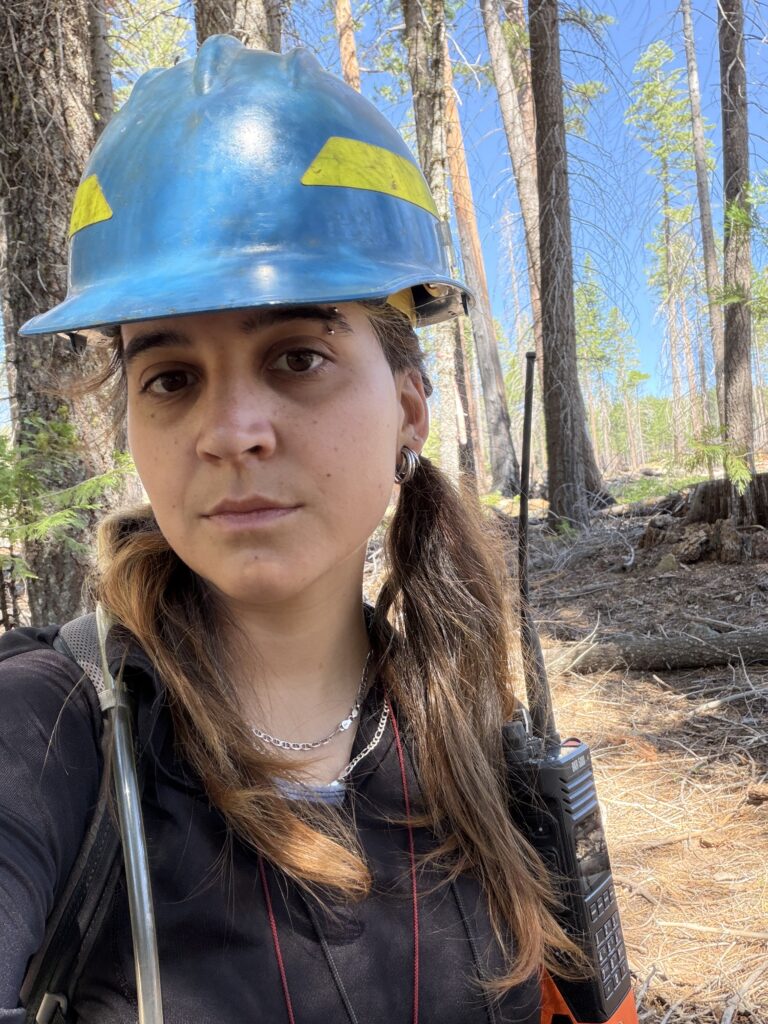
Wasatch Mountains Exploratory Site
Bridget Schmidt
Secondary Site: Commissary Ridge HawkWatch
Originally from Ohio, Bridget graduated from Ohio University with a B.S. in Wildlife Conservation Biology. Since graduating, she has worked with songbirds in Ecuador, Common Terns in Maine, raptors in Wisconsin, Pinyon Jays in Utah, owls in Michigan, and songbirds in North Carolina. This is her first season with HWI, and she looks forward to bettering her hawk-counting skills and banding species that aren’t common in the eastern US. Her favorite part of fieldwork is the challenges that come along with it, like being outside in the elements for extended periods of time and visiting parts of the country that are not often seen. When she was younger, Bridget was terrified of raptors until an encounter with an educational Turkey Vulture showed her there was nothing to be afraid of. Her non-wildlife hobbies include photography, visiting as many national parks as possible, hiking, and reading. Bridget’s favorite raptor is the Great Gray Owl.
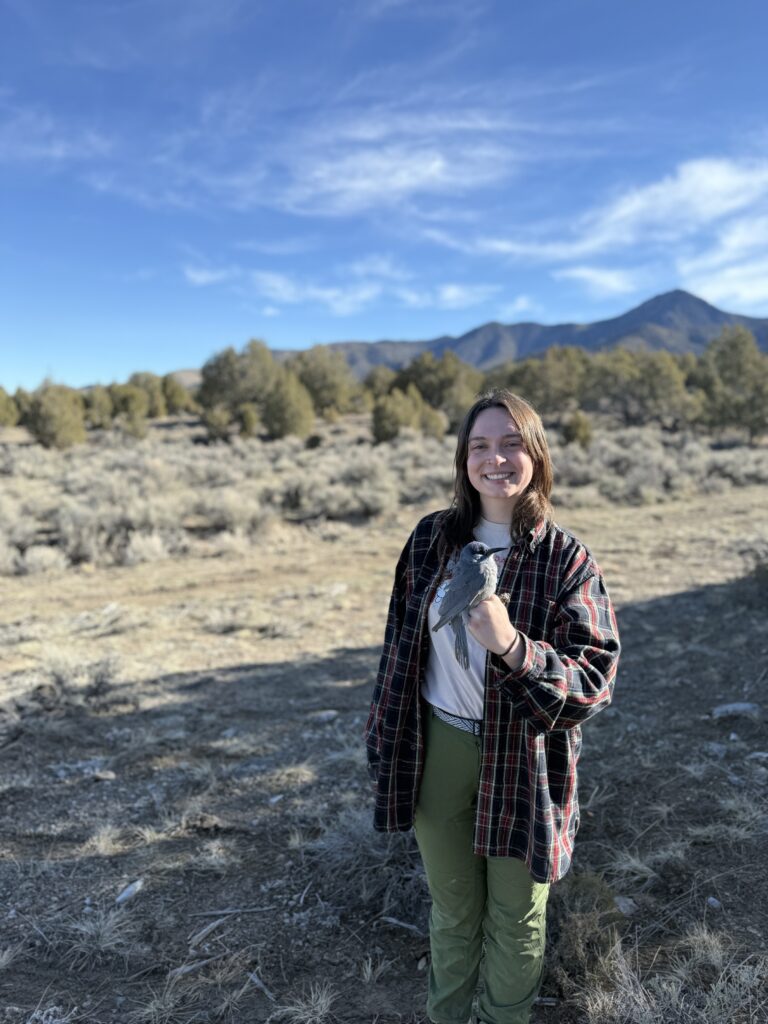
Jacie Osier
Secondary Site: Commissary Ridge HawkWatch
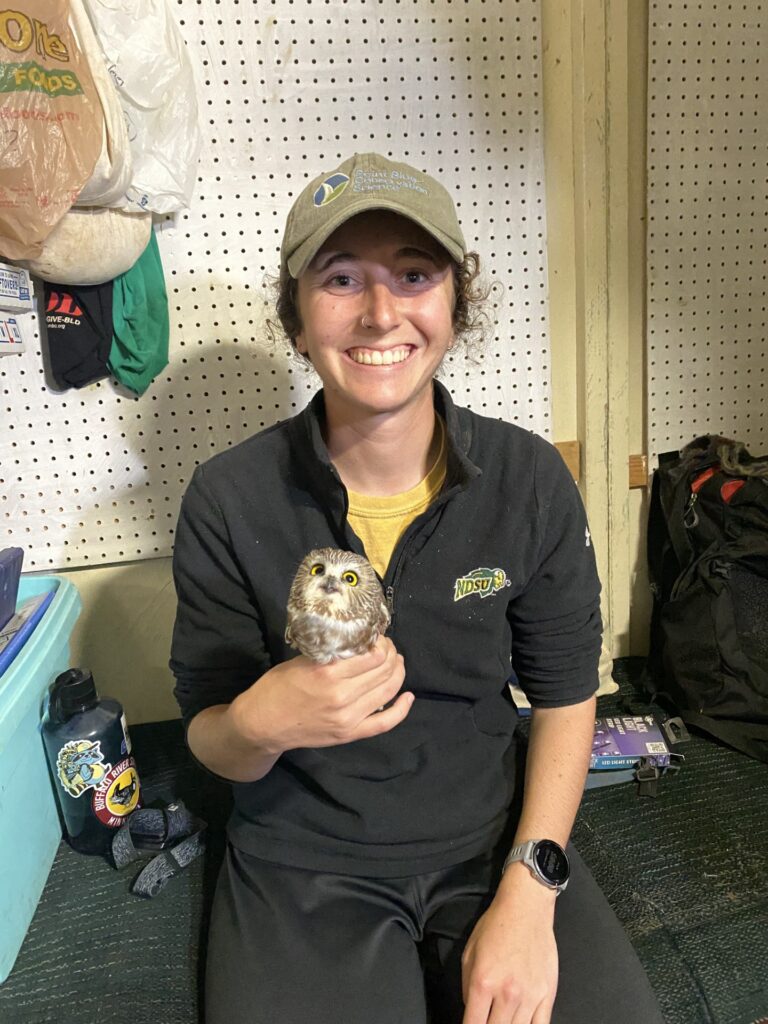
Jacie is excited to be back with HawkWatch International! She previously worked at the beautiful Manzano Mountains HawkWatch in 2024. Since graduating from Minnesota State Moorhead, she’s worked on a number of avian conservation projects, including projects with Florida Grasshopper Sparrows and Greater Prairie Chickens. She most recently worked at North Dakota State University as a research assistant exploring a few topics, including anti-predator behavior of Red-winged Blackbirds to drones, raptor responses to owl decoys in open agricultural landscapes, and censusing breeding bird populations across North Dakota. Jacie is most looking forward to experiencing migration in Wyoming and spending every day outside spotting raptors! Her non-birding hobbies include soccer, cycling, reading, and playing Wordle. Her favorite raptor is a Swainson’s Hawk.
Zion Szot
Secondary Site: Goshute Mountains HawkWatch
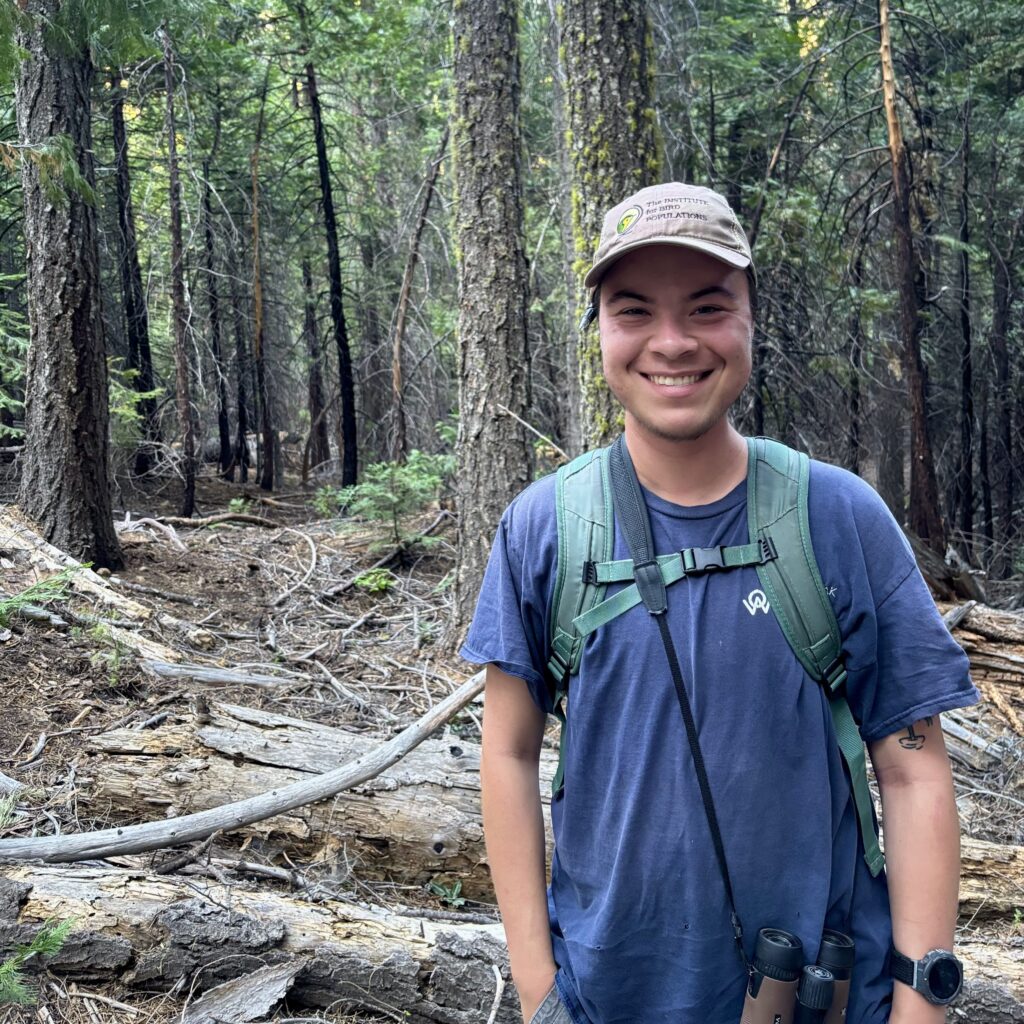
Zion was born and raised in North Texas before graduating from the University of Florida with his B.S. in Biology. He fell in love with birds at the lakes and parks of his home before eventually falling in love with birding while taking avian classes at UF. This fall will be his sixth season of fieldwork after college, including monitoring Piping Plovers and Florida Grasshopper Sparrows, searching for King Rail and Spotted Owl nests, and observing Sandhill Crane migration. He’s most excited to gain experience with banding raptors and to help showcase the beauty of migration to site visitors. His favorite raptor is the American Kestrel, and in his free time he’s usually hiking, birding, or reading.
This blog was written by Sammy Riccio, our Communications Manager, Dr. Dave Oleyar, our Director of Long-term Monitoring and Community Science, as well as our 2026 crewmembers. You can learn more about Sammy here.