Earlier this year, I worked on plans to announce The Roost, HWI’s new hub for raptor research and conservation. Meanwhile, Dr. Megan Murgatroyd hosted the first-ever group of HWI supporters in South Africa, giving them the chance to see our Secretarybird work for themselves. If you’d told me 17 years ago that this is what I’d be doing today, I’m not sure I would have believed you.
I couldn’t be more proud of how far we’ve come since we were founded in 1986. As we kick off our 40th anniversary, I’m excited to share more about what’s in store this year.
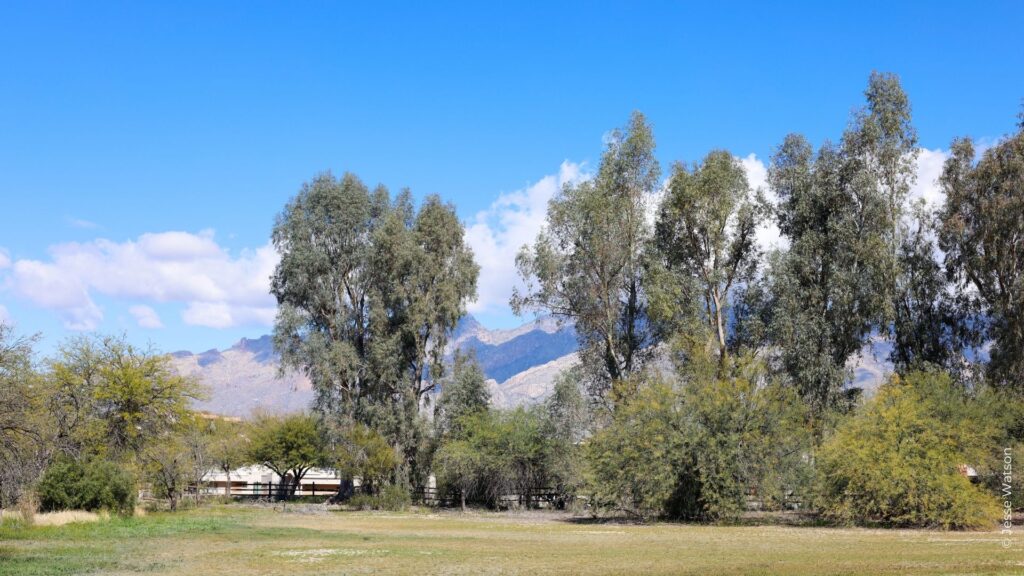
The Roost
This time last year, our team was working around the clock to develop a plan to accept a transformational gift of property in Tucson, Arizona. There’s still lots to do, like installing new air conditioning (a must in the Sonoran summer!), but we’ve made a lot of progress toward making the property a place our staff, researchers, and the broader conservation community can use year-round.
We can’t wait to welcome more of you to The Roost over the next year. We’re excited to welcome guests participating in our Forest Owl expeditions to the property next spring. They’ll spend time practicing hands-on skills like mist net training before heading to their study area in the Chiricahua Mountains. Our Education team will also begin utilizing the space to offer education programs later this fiscal year. In the meantime, we’re hoping to host a few less formal events on the grounds, like a book club.
As part of our 40th anniversary, we’re creating a new strategic plan that will guide us through this huge moment in HWI history. I look forward to sharing more about our long-term plans for The Roost and for HawkWatch International in the coming months.
Secretarybirds
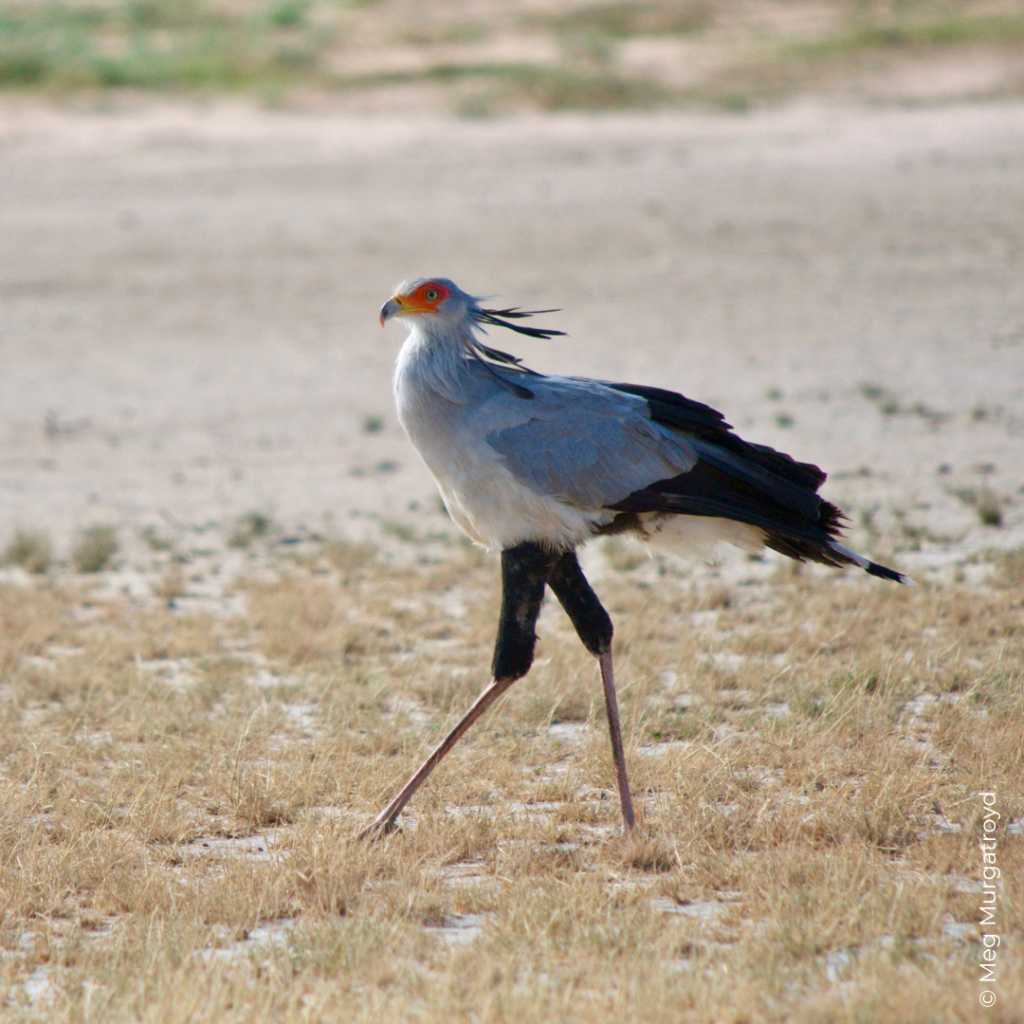
We’re also making HWI history abroad, as Dr. Megan Murgatroyd leads the way in research on endangered Secretarybirds. After becoming the first person to trap an adult Secretarybird in late 2025, Meg’s team plans to place transmitters on additional birds this year across the Western and Northern Cape of South Africa. With a growing dataset, Meg hopes to better understand the movement of Secretarybirds.
Meg’s team is also working hard to understand the breeding behavior of this charismatic, but poorly studied, bird.
Early results are concerning. So far, only about half of the pairs we’ve monitored have attempted to breed. By installing 15 new nest cameras, the team hopes to determine what is making it difficult for Secretarybirds to successfully raise chicks.
Mexican Spotted Owls
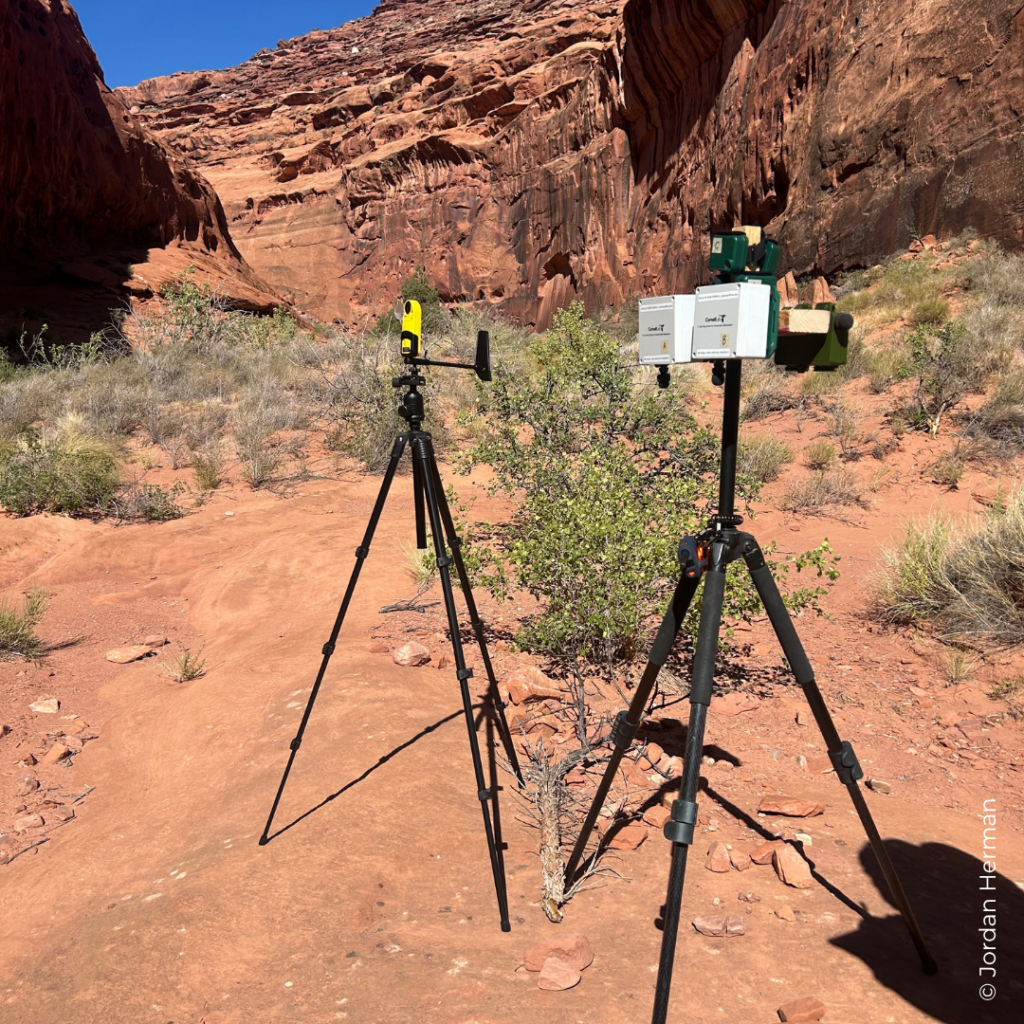
I’m also very excited about our team’s commitment to finding safer, simpler, and more effective ways to monitor wild raptors. Following two years of manual surveys, climbing through steep cliffs in the dead of night, Dr. Jordan Herman is leading an innovative effort to monitor Mexican Spotted Owls.
Jordan and her team will test the quality and reliability of autonomous recording units (ARUs) to detect this elusive species. The goal is to create a new way to monitor this threatened species more regularly and reliably.
Keeping a Pulse on the Health of Raptors
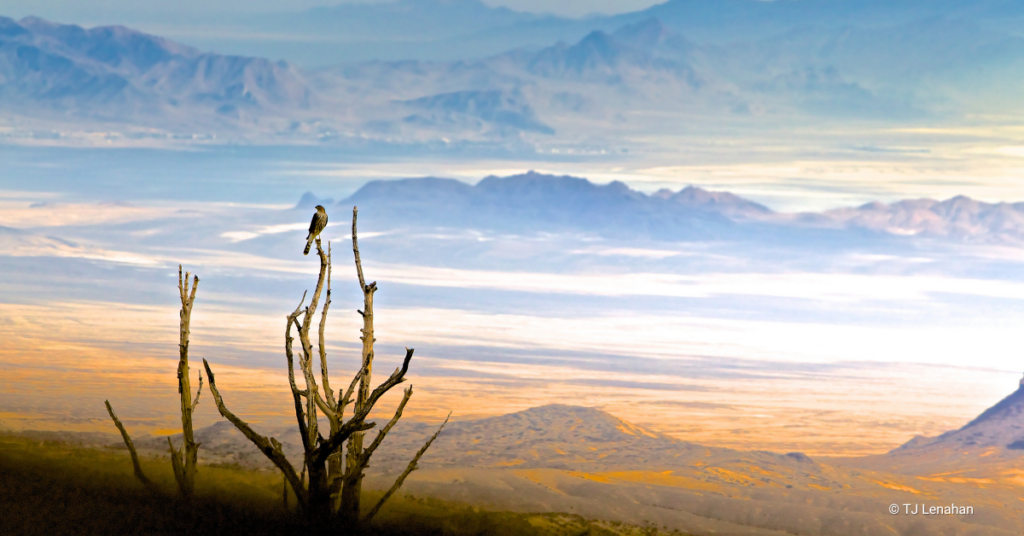
While I’m excited about all that’s on the horizon, I’m also looking forward to what we do year after year: keeping a pulse on the health of raptor populations. This fall, we’ll once again welcome crews—and you!—to experience the magic of migration at six hawkwatch sites throughout the Western United States.
Although it might not be the most attention-grabbing work we do, the long-term monitoring we conduct within the migration network is some of the most important. Monitoring the fall migration of raptors consistently for 40+ years allows us to detect true changes in raptor populations, like the recovery of the Bald Eagle and the decline of the American Kestrel. Data like this will always be important because it allows us to make informed decisions based on real facts.
As HawkWatch International continues to grow and evolve, we remain committed to collecting this long-term data. It is foundational work that helps us understand the health of raptor populations and how we can protect them for generations to come.
Powered by People
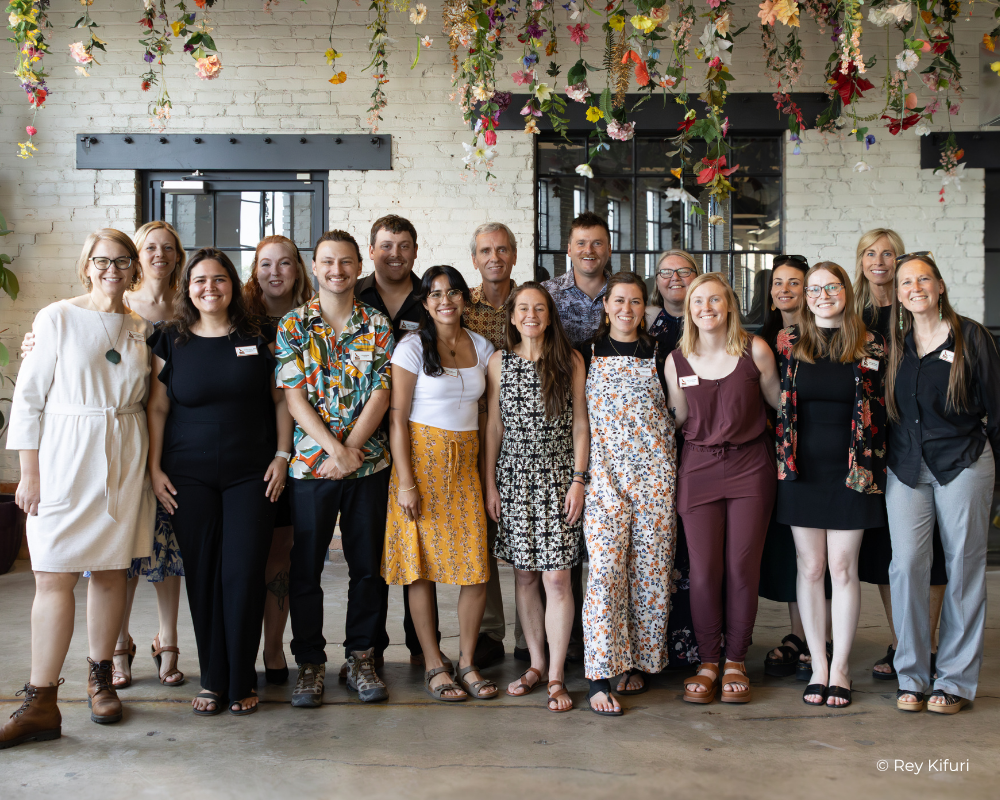
Long-term monitoring depends on a long-term commitment to the work we do. Earlier this year, Dr. Steve Slater celebrated 20 years with HawkWatch International. The historical knowledge that Steve brings to his work has helped our programs naturally evolve, in spite of changes in government funding priorities, a global pandemic, and much more.
The work we do doesn’t happen without our staff, and I feel incredibly fortunate to be leading a team that has spent years building the expertise, relationships, and datasets that make this work possible.
I also feel lucky to have the long-term support of so many committed volunteers, partners, and donors. This support has allowed us to grow from an organization focused primarily on counting every raptor that migrates past our HawkWatch sites into a truly international conservation organization working to protect some of the world’s most at-risk and understudied raptors.
As I look back at the last 40 years of HawkWatch International, I’m so grateful for each and every one of you who has played a part in this story. Whether you volunteer, travel with us, attend an event, support our work financially, or simply share your love of birds with others, you’re helping build the future of HawkWatch International. Thank you for being a part of this community of raptor conservationists and making this work possible. I can’t wait to see what the next chapter holds.
This blog was written by Nikki Wayment, HWI’s Executive Director. You can learn more about Nikki here.