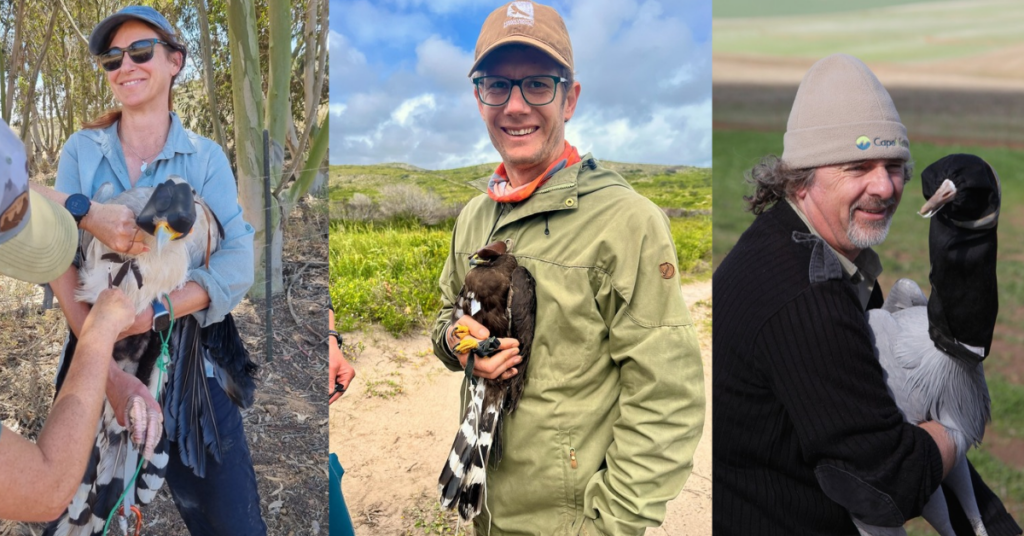
Difficult terrain, natural disasters, and even armed conflict have all created challenges for data collection for our 2025 Global Raptor Research and Conservation Grant (GRRCG) recipients. But they’ve still made some big strides toward conserving some of the world’s most at-risk raptor species. These awardees have demonstrated an unwavering commitment to their research and local communities over the past 18 months. Keep reading to learn more about the projects we supported this grant cycle.
Winduchcharige Lasal Dewmika Rathnasooriya, Serendib Scops-owl, Sri Lanka
Lasal achieved numerous firsts through the study of this small, rufescent owl. Despite extensive tree cavity surveys in a 65 square kilometer area of forest reserves, he and a team of community science volunteers were unable to identify nest sites. However, the team’s findings offered clues about the breeding period of this Endangered species. Lasal proposes that these owls breed from February to April, based on increased vocal activity captured in audio recordings and reports from local guides of juvenile owls roosting with their parents.
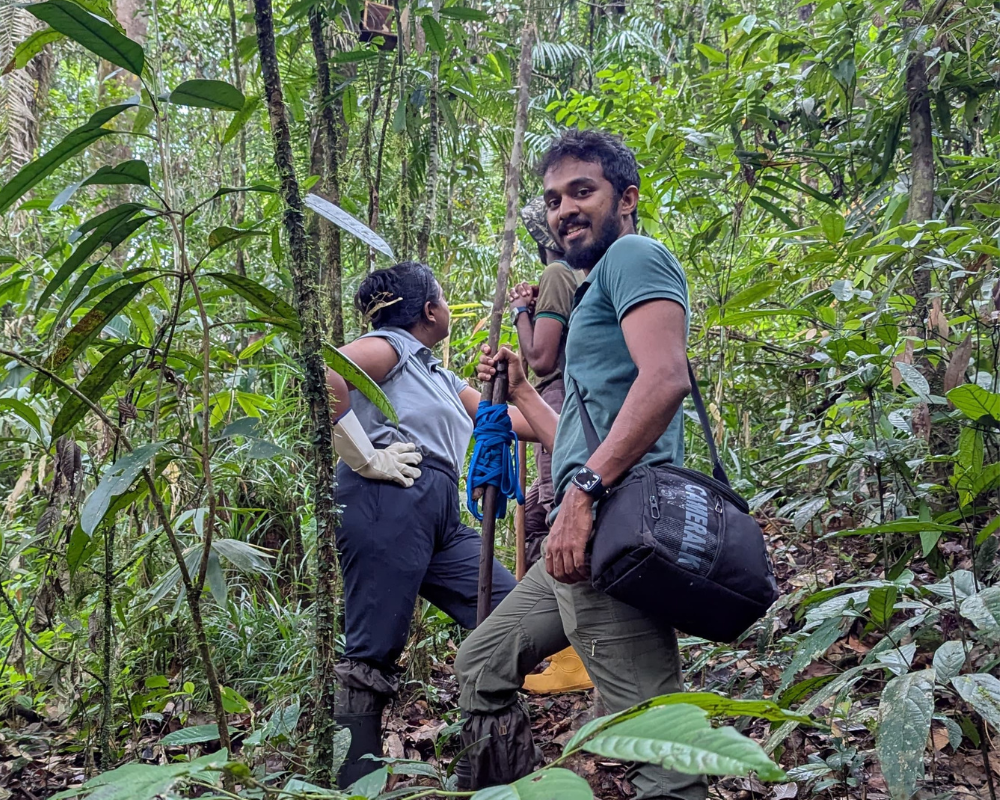
He hopes to better understand the owls’ movement patterns through tracking technology, in what would be the first-ever tracking program for this species. One individual was tagged with a Very High Frequency transmitter, which has collected preliminary data. Grant funding also supported the installation of 20 nest boxes, making this the first artificial nest box experiment to study the breeding ecology of an owl species in the country.
Lasal has also submitted a research manuscript to a peer-reviewed journal, where it is currently under review. The manuscript models habitat suitability for this elusive, understudied owl. If accepted, it would be the first scientific article published about the Serendib Scops-Owl beyond its original taxonomic description.
Kiros Welegerima, Rüppell’s Vulture, Ethiopia
Even with the persistent efforts of researchers and raptor biologists around the world, Old World vultures continue to face an uncertain future. Many GRRCG recipients are working to protect the world’s most threatened vulture species. Among them is Kiros, whose research aims to conserve the Rüppell’s Vulture.
To map the distribution and abundance of this Critically Endangered species, Kiros and volunteer vulture monitoring groups conducted regional road surveys and surveys of urban abattoirs. Despite heavy armed conflict in the Tigray region, the team covered 3,000 kilometers of roads and surveyed 20 abattoir disposal sites. They recorded 30 raptor species, including 117 Rüppell’s Vultures and other Endangered vulture species, including 733 Hooded Vultures and 126 White-backed Vultures. This was the first systematic survey of raptors in the region.
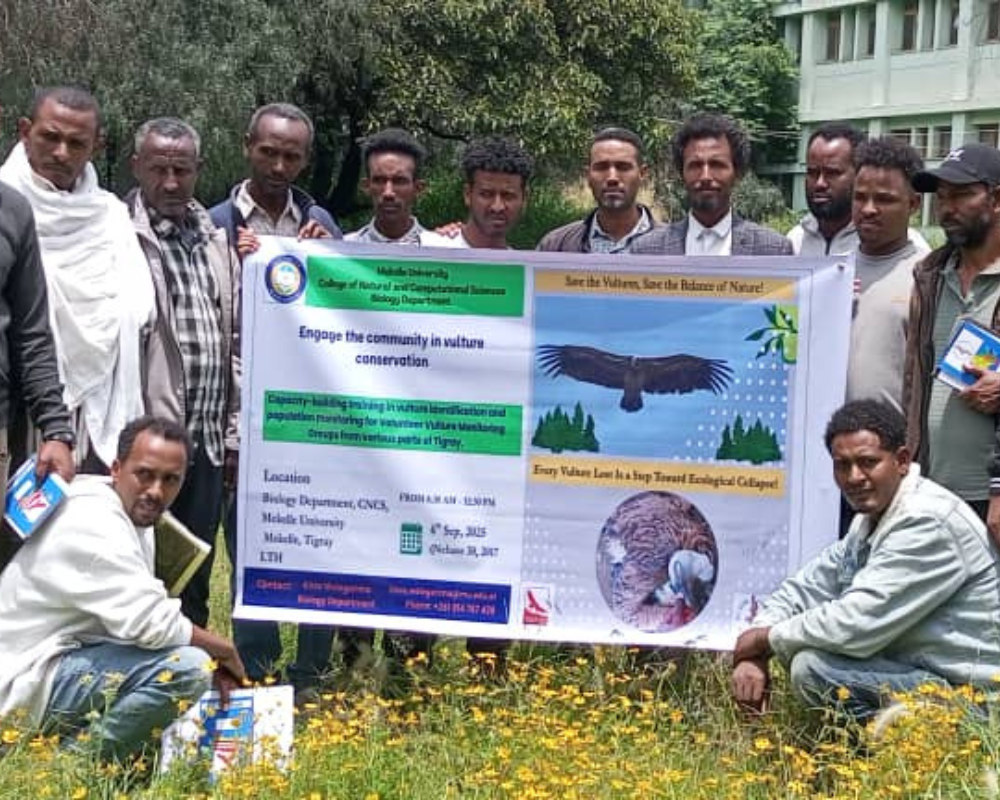
He also engaged communities across northern Ethiopia through Knowledge, Attitudes, and Practices Assessments, using questionnaires that reached nearly 500 individuals across 50 focus groups. He also brought together stakeholders involved in environmental protection and education to raise awareness of vulture ecology and the threats vultures face. The findings suggest that vultures in this region are not commonly exploited for food, traditional medicine, trade, or cultural rituals. Kiros plans to investigate remaining knowledge gaps, including breeding sites, reproductive success, and other factors contributing to population declines beyond direct human persecution.
Michael Manja Williams, Hooded Vulture, Nigeria
On the west coast of Africa, Michael is working to identify vulture strongholds in Nigeria, with a focus on the Hooded Vulture. Through this project, he set out to engage local communities in vulture conservation. His grassroots efforts reached more than 100 individuals and recruited local “vulture guardians” to support ongoing protection efforts.
Human persecution remains the most immediate threat to vultures in Africa, particularly the killings associated with traditional beliefs. In parts of northern and western Africa, vultures are viewed negatively as symbols of death or evil spirits, while illegal hunting and the trade of their body parts persist for use in traditional medicine. However, Michael found that in his study region, the local communities instead revere and protect vultures, viewing them as sacred messengers of ancestors and spirits. Within this belief system, as in Hinduism, killing vultures is forbidden, and their presence during traditional ceremonies is welcomed. During festival “feeding rituals,” food is left for vultures, which must be eaten before human beings can partake in the meal and proceed with the festival. Michael built on these protective beliefs to strengthen local participation in vulture conservation, while also raising awareness of vultures’ ecological benefits.
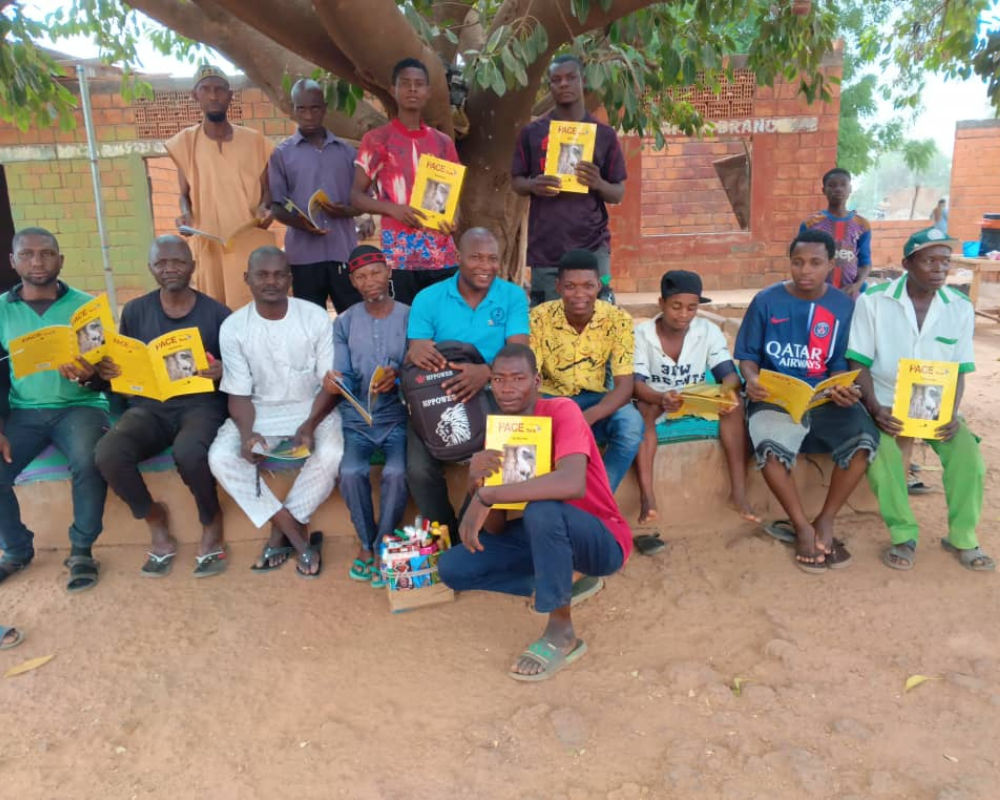
As part of the project, Michael trained local community members in vulture identification, GPS recording, and data reporting. He also established four community-based vulture monitoring sites, generating records of population numbers, locations, habitat, and behavior. During some festival-related feeding events, the team recorded groups of five to seven vultures.
You can learn more about Michael and his work in his recently published journal article here.
Sunny Joshi, Pallas’s Fish-eagle, India
Sunny’s project focused on one of the least understood raptors in the Eastern Hemisphere, the Pallas’s Fish Eagle. He investigated the distribution and abundance of these raptors to understand their breeding ecology in the lowlands of southern Nepal.
Sunny mapped 15 active nests, documenting incubation in January, hatching in February, and fledging in March. Of the 15 nests, Sunny observed 13 with chicks. Through his investigation of feeding ecology and local threats, Sunny identified several risks to the species, including illegal fishing using dynamite, live-wire electrocution of fish in water bodies, and illegal fishing nets. Seasonal forest fires pose an additional threat by damaging mature nest trees and disturbing breeding pairs.
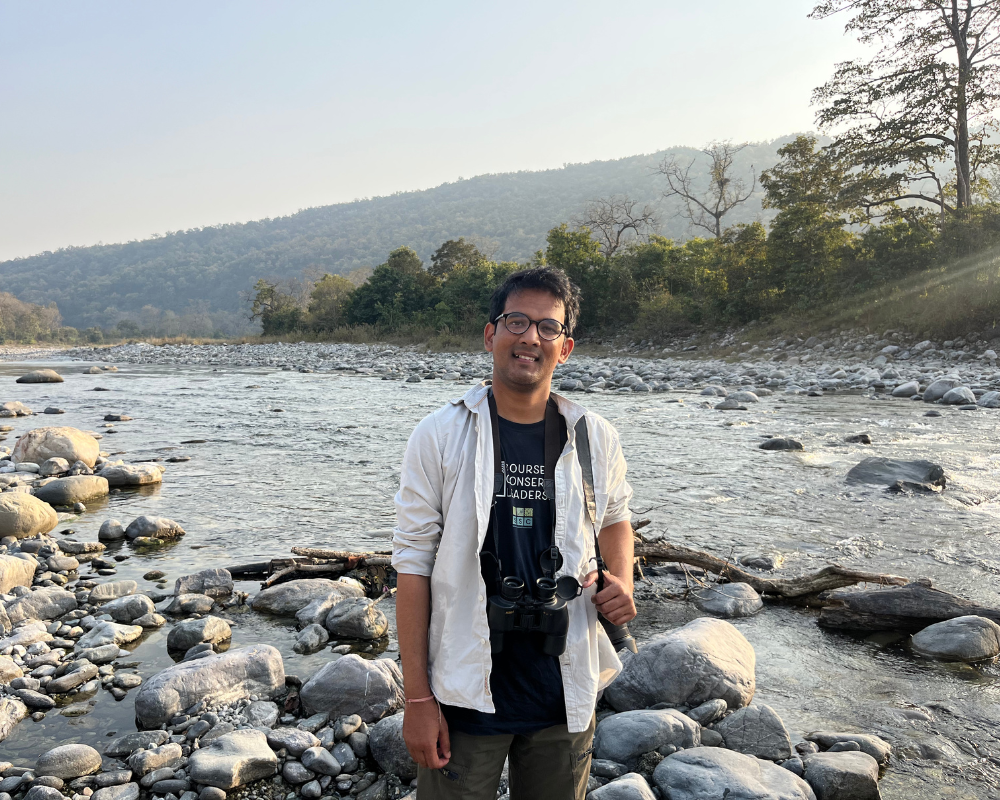
Sunny also conducted 200 semi-structured questionnaire surveys and worked to build local stewardship by training frontline forest guards, local fishermen, and local birders in nest monitoring and threat mitigation. He provided them with a reporting framework to document illegal activities and identify areas where violations are occurring.
Looking ahead, Sunny plans to advocate for the formal establishment of a 500-meter protection buffer around the 15 mapped nest trees. He also plans to search for additional nesting habitats and expand his research using satellite telemetry to track post-fledging dispersal and the species’ non-breeding range.
On October 30, the Raptor Research Foundation awarded Sunny the Kevin Kritz Memorial Grant at the 2026 annual conference. Congratulations, Sunny, on this well-deserved recognition!
The work of our 2025 GRRCG recipients is helping lay the groundwork for future conservation efforts. Their research filled important knowledge gaps, identified threats and habitat strongholds, and empowered local community members to engage in conservation in their own backyards. We’re incredibly proud of what these scientists have accomplished and grateful for the important work they continue to do to protect these species. We look forward to following their progress and seeing what comes next for them.
Applications for the 2027 GRRCG are now open! Apply here by December 31, 2026, or share the application link with someone you know who might be interested.
This blog was written by Madison Hanna, HWI’s Development Manager. You can learn more about Madison here.