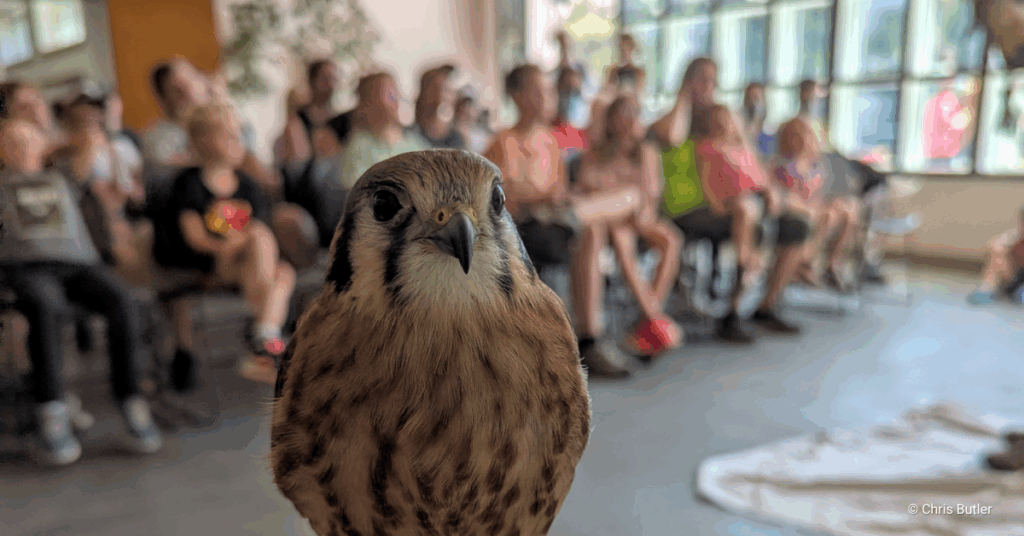
Great science lessons rarely stay on the page. When students handle a bird’s feather, chart real-time migration data, or test soil chemistry from the schoolyard garden, abstract concepts snap into focus. Tactile, inquiry-based lessons not only deepen comprehension but also boost long-term retention and confidence in STEM careers.
Here are some proven strategies—and a few raptor-powered resources from HawkWatch International—that will help you weave authentic and impactful science into your classroom routine.
Why Hands-On Science Sticks
Lectures have their place, but experiential learning…
- Let kids drive the questions: Curiosity skyrockets when students design their own investigations
- Engages every sense: Touching, hearing, and even smelling the subject matter make lessons stick
- Connects content to real life: When a sixth grader monitors a nest box, data feels personal instead of hypothetical, bringing environmental concepts home in a powerful way
Three Guiding Principles for Hands-On Science
- Authenticity over perfection: You don’t need fancy gear; a trip to the parking lot with clipboards and binoculars can be just as educational as any high-tech lab
- Show the “why”: Tie each task to a big question—when documenting the diversity of bugs in the school yard, tie it back to the larger question of ‘how are humans impacting the climate?
- Embrace the mess: Inquiry is rarely neat, so give kids time to tweak hypotheses and rerun tests instead of racing to the finish line
Five Strategies You Can Use Tomorrow
- Invite the experts—feathers included.
HawkWatch International’s Raptor Ambassador Program brings live eagles, owls, and falcons right to your classroom (or onto Zoom). Nothing jump-starts a food web lesson like locking eyes with a Great Horned Owl. - Pair story time with science time.
For younger grades, Reading With Raptors matches a picture book with a meet-and-greet featuring the star bird. Kids practice reading, then compare the story with the Raptor Ambassador in front of them. - Launch a mini community science project.
Platforms like eBird let students upload sightings, compare regional data, and join global research. Ten minutes of raptor watching each morning can blossom into a full unit on migration physics. - Borrow or assemble a field kit.
Many nonprofits lend trunks packed with binoculars, skull replicas, and data sheets. You can also browse free online resources—like our Raptor ID Fact Sheets—to print and hand out. - Give students a public stage.
Poster nights, blogs, or podcast episodes push learners to polish methods and defend conclusions—exactly how real scientists share results.
Community Science: Turn Curiosity Into Research
When kids collect data that real scientists will use, motivation soars. A few beginner-friendly projects include:
- Project FeederWatch (winter): Count birds at a feeder twice a week and graph population swings.
- NestWatch (spring): Monitor local swallow or kestrel nests, comparing clutch sizes across habitats.
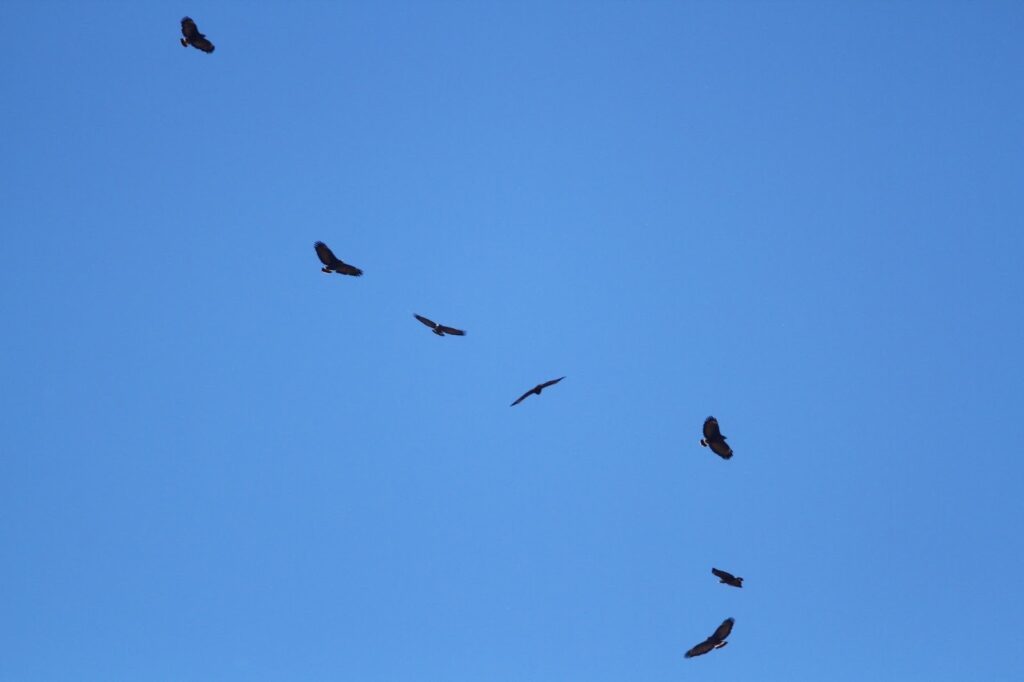
- Hawk Migration Counts (fall): Volunteer at a local hawkwatch, logging kettles of migrating raptors
Tips for Long-Term Success
- Start small: An owl pellet dissection today can lead to a full field study next semester.
- Schedule debriefs: Quick reflections help students link activity outcomes to big-picture concepts.
- Invite families: Evening raptor talks or Saturday bird counts reinforce learning at home and build community buzz.
- Track impact: Simple pre- and post-quizzes show administrators and funders why hands-on science is worth the time.
Spotlight: HawkWatch International
Since 1986, HawkWatch has blended cutting-edge raptor research with community outreach. Our education team:
- Reaches every Utah public school at least once every three years through the iSEE partnership, ensuring all students meet a live bird.
- Trains teachers via professional development resources loaded with current ornithology content, NGSS-aligned lesson plans, and classroom materials.
- Uses a unique Raptor Ambassador model, caring for non-releasable birds that visit hundreds of students a year.
Booking is easy: fill out an online form, pick an in-person or virtual option, and lock in a date. Title I schools often receive discounted rates, helping close the “nature gap” for underserved communities.
Ready to Rethink Your Next Unit?
Hands-on lessons don’t just teach facts. They build observation skills, data literacy, and a lifelong sense of wonder. Partnering with HawkWatch International gives you living ambassadors, field-tested curricula, and scientists who love answering students’ toughest questions.
So why wait? Book a HawkWatch International education program and give your class a front-row seat to the science soaring right outside your window.
HawkWatch International is a nonprofit organization dedicated to raptor research and conservation. We strive to conserve our environment through education, long-term monitoring, and scientific research on raptors as indicators of ecosystem health. Whether through making a donation, volunteering, or simply spreading the word, your involvement can make a difference in preserving our natural world. Support our work today, help protect these incredible birds, and ensure that future generations can enjoy the thrill of hawk-watching!