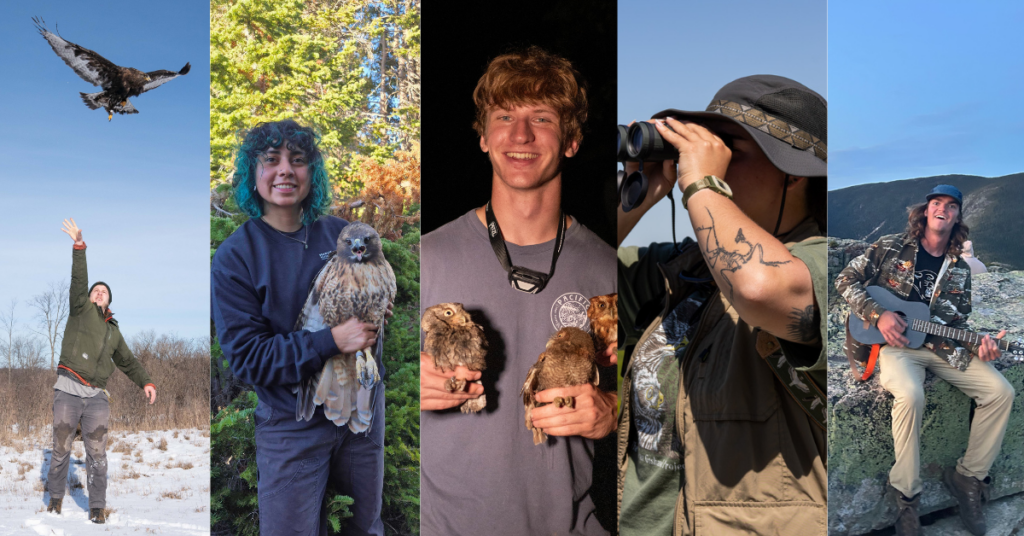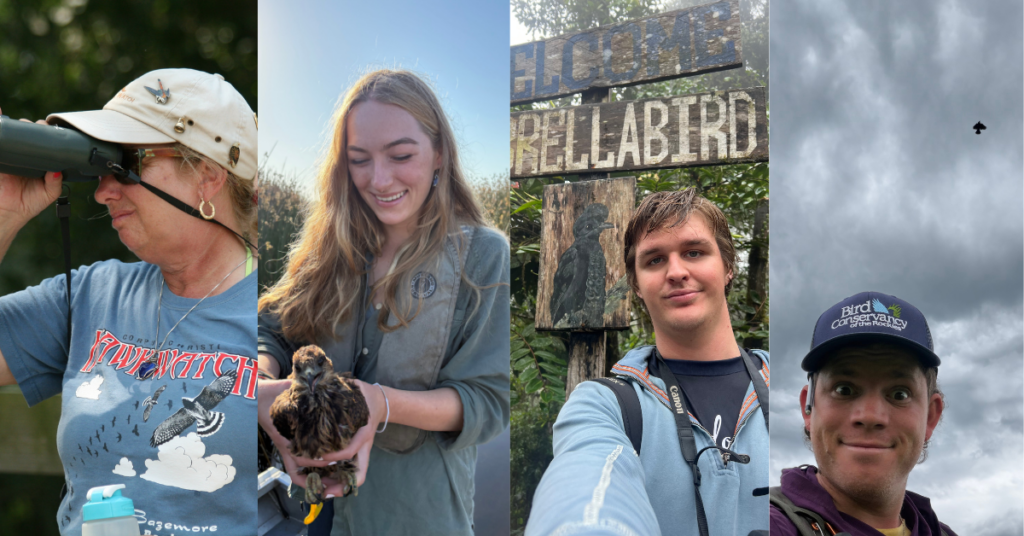
One of Jerry Liguori’s most admirable qualities was his passion for making science accessible. Whether it was answering your raptor questions on the blog, writing renowned identification field guides, or simply passing along tips and tricks while hawkwatching next to you at a migration site, Jerry believed hawkwatching is for everyone.
Our 2026 awardees exemplify his ethos, combining both rigorous scientific research with outreach and education efforts aimed at inspiring a care for and interest in conserving raptor species.
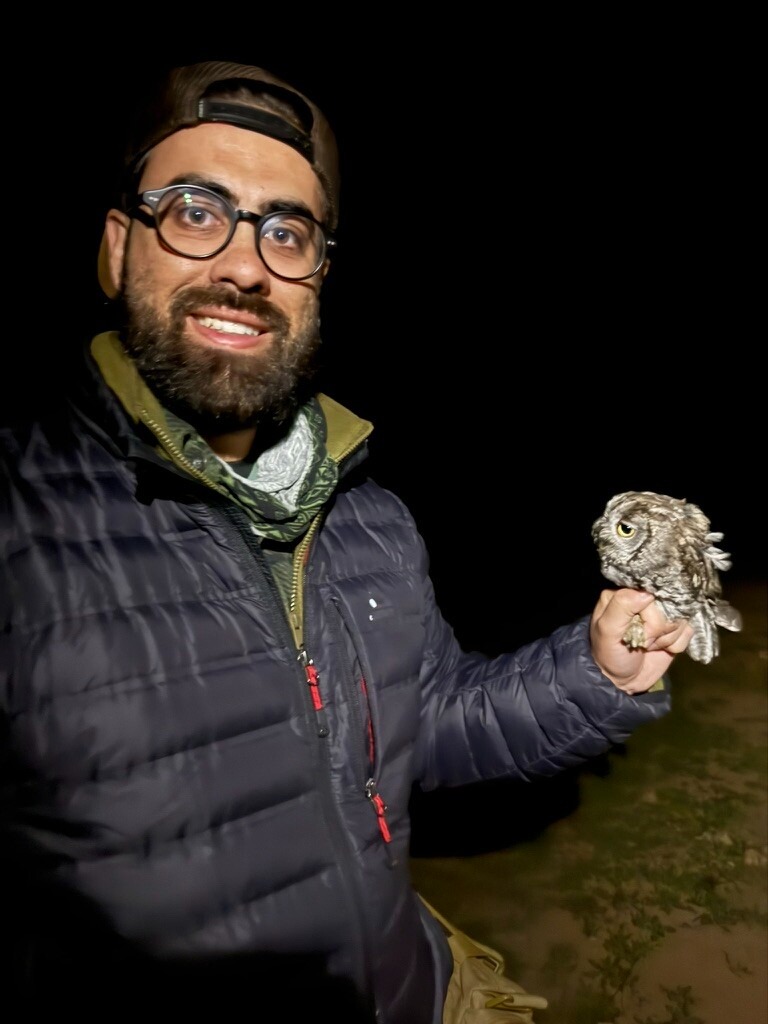
Luis Carlos Hernández Salgado, Universidad Autónoma de Baja California, Mexico
Luis holds a Ph.D. in Biological Sciences with a research focus on biogeography and evolution, through which he developed strong expertise in evolutionary analyses and modern biogeographic methods. Although his academic career began with spiders, over time he developed a deep appreciation for nocturnal raptors. This interest, along with his passion for science communication and community engagement, led him to begin researching the owls of Baja California.
For the past year, Luis has focused on Western Screech-Owls, learning more about the species’ evolutionary history, biogeography, and conservation in the region through field surveys, bioacoustic monitoring, and phylogenetic analyses of museum samples. Funding from the scholarship will allow Luis to enter the next phase: translating scientific knowledge into concrete conservation actions through a community-based outreach program. More specifically, funding will be put towards educational materials, workshops, and filming a documentary that they will share with community partners, schools, and wildlife sanctuaries.
Sean Graesser, Wild Bird Research Group, United States
Sean serves as the Executive Director and founder of the Wild Bird Research Group (WBRG), a nonprofit organization dedicated to avian research, conservation, and public engagement based in the Mid-Atlantic region and beyond. Sean has extensive experience in bird monitoring, habitat management, conservation education, and wildlife photography. His work has included establishing and managing long-term bird banding stations, American Kestrel conservation programs, owl migration studies, and collaborative research projects with landowners, conservation organizations, and public agencies.
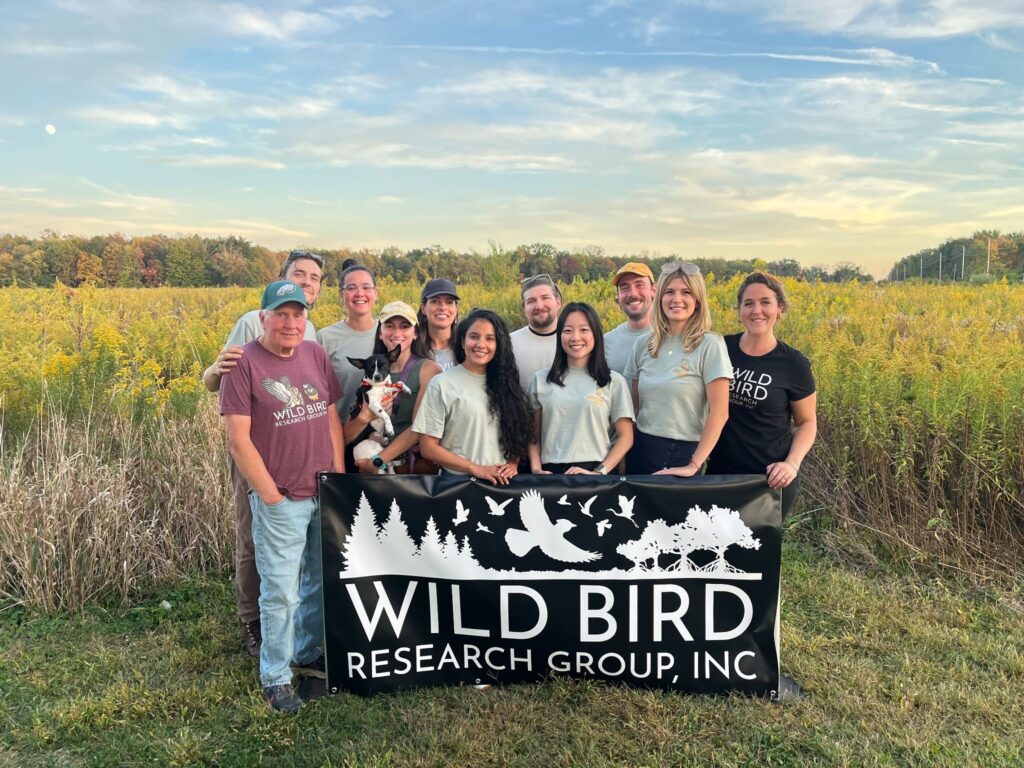
The WBRG coordinates one of the largest community-based American Kestrel monitoring efforts in central New Jersey. They install, maintain, and monitor nest boxes to better understand kestrel breeding success while providing critical nesting opportunities for a species that has experienced long-term population declines throughout much of its range. Funding from the scholarship will support their Farmers for Falcons initiative, a new effort designed to strengthen partnerships between farmers by expanding nesting opportunities for American Kestrels on working agricultural lands. Funds will be used to construct and install additional nest boxes, develop educational signage and outreach materials, create a public-facing platform highlighting participating farms, and incorporate these new boxes into their long-term data set.
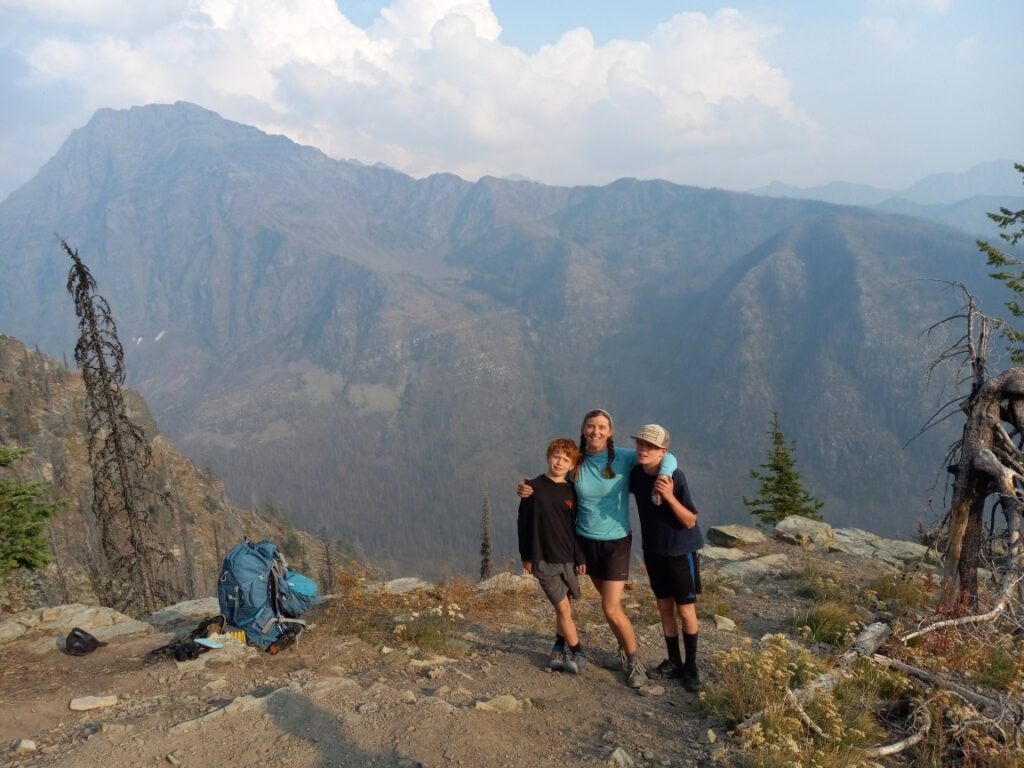
Jami Belt, Glacier National Park, United States
Jami is a biologist at Glacier National Park, coordinating many wildlife monitoring and community science efforts. This includes the park’s Hawk Watch, which Jami has coordinated since 2018.
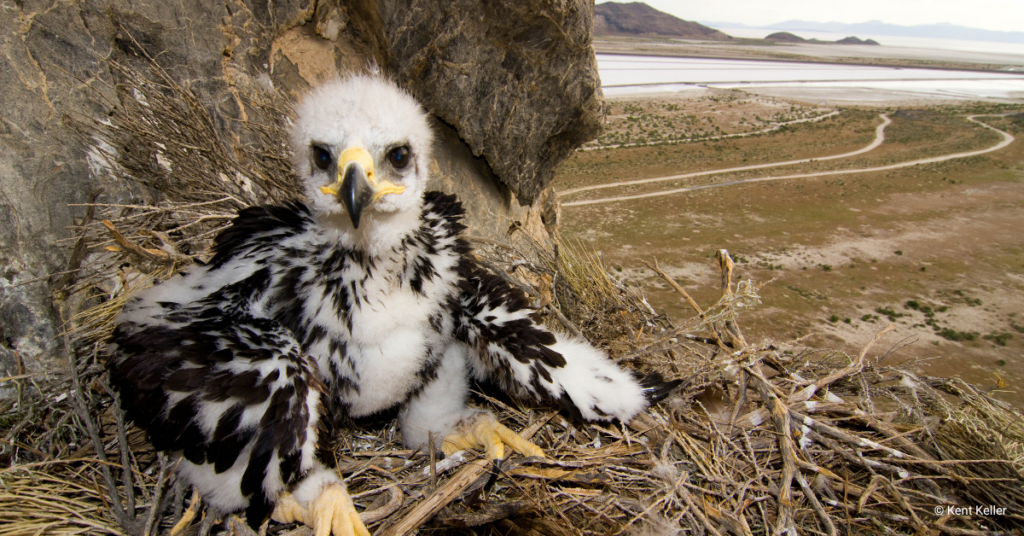
Glacier National Park boasts one of the most important Golden Eagle migration routes in North America, with up to 2,000 Golden Eagles counted at the Lake McDonald Lodge Hawk Watch site during September-October. It is also one of the most visited sites at the park, seeing three million visitors annually. Funding from the scholarship will support training for volunteers on monitoring procedures and educational interpretations for hundreds of visitors. Funds will also help to organize and publicize the Raptor Migration Open House during peak migration season.
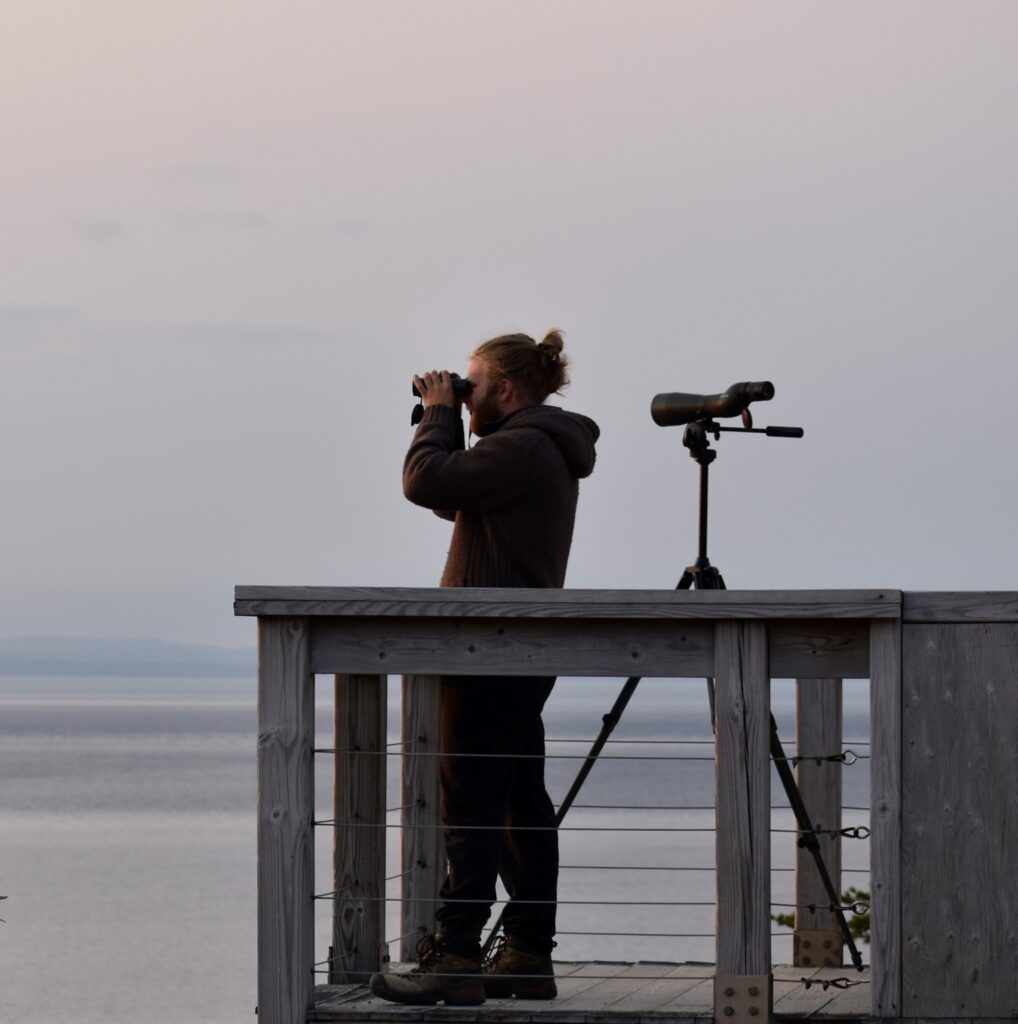
Alexandre Terigeol, Tadoussac Bird Observatory, Canada
Alexandre has been the Director of the Tadoussac Bird Observatory since 2021, where he leads research aimed at improving our understanding of avian migratory behavior alongside a team of passionate ornithologists. In this role, he organizes the annual Côte-Nord Migratory Bird Festival, leads various birdwatching activities, and practices bird photography and recording. He is also a member of the board of directors of the Hawk Migration Association and the Society of Canadian Ornithologists.
The Tadoussac Bird Observatory monitors the fall raptor migration along the St. Lawrence River of both diurnal and nocturnal species. In addition to their long-term datasets on species composition, timing, abundance, and sex and age ratio, the observatory prioritizes training the next generation of biologists through their Young Ornithologist Workshop and during the Côte-Nord Migratory Bird Festival. The scholarship will support early-career ornithologists by creating standardized training materials to improve raptor identification skills and ensure consistency in monitoring protocols in French and English, enhance outreach materials for the general public, and develop school-based workshops.
We look forward to sharing with you all that Luis, Sean, Jami, and Alexandre accomplish this year. If you have a research or education program based in the US, Mexico, or Canada, consider applying for the scholarship in April 2027!
This blog was written by our 2026 Jerry Liguori Raptor Conservation and Education Scholarship awardees and Sammy Riccio, HWI’s Communications Manager. You can learn more about Sammy here.